Introduction
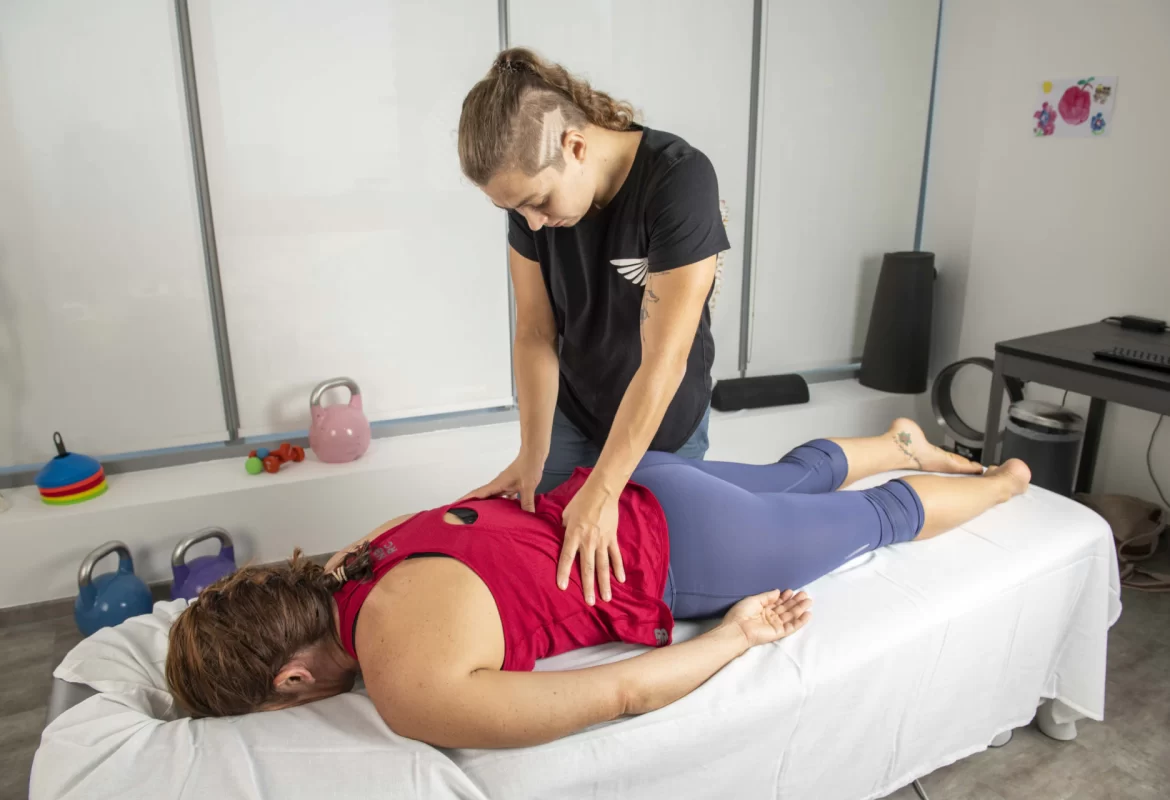
As modern healthcare continues to evolve, osteopathy stands at the forefront of innovative pain management solutions. This holistic approach to healing, which focuses on treating the body as an interconnected system, is gaining recognition for its effectiveness in providing lasting relief from various musculoskeletal conditions. For those seeking an osteopath Marylebone, the journey towards pain-free living begins with understanding how this practice is reshaping the future of healthcare.
The Evolution of Osteopathic Medicine
According to recent statistics from the American Osteopathic Association, the field of osteopathy has experienced remarkable growth, with practitioners now treating millions of patients worldwide. This expansion reflects the increasing recognition of osteopathy’s effectiveness in addressing various physical ailments through non-invasive techniques.
Core Principles of Modern Osteopathy
Modern osteopathic treatment encompasses several fundamental principles that set it apart from conventional medical approaches:
- Holistic body assessment
- Manual manipulation techniques
- Personalised treatment plans
- Prevention-focused care
Technology and Innovation in Osteopathic Practice
The integration of technology into osteopathic practice has revolutionised treatment approaches. Recent research in biomechanical assessment techniques has enhanced practitioners’ ability to diagnose and treat patients with greater precision. When visiting an osteopath Marylebone, patients can expect to benefit from these advanced diagnostic tools and treatment methods.
Digital Assessment Tools
Modern osteopathic clinics increasingly employ sophisticated digital tools to enhance treatment accuracy:
- 3D movement analysis systems
- Pressure mapping technology
- Digital posture assessment
- Real-time feedback mechanisms
Evidence-Based Approaches
The field of osteopathy continues to strengthen its foundation through rigorous research and evidence-based practices. Studies exploring the effectiveness of osteopathic treatments demonstrate promising results in managing various conditions, from chronic back pain to sports injuries. This scientific validation has helped establish osteopathy as a trusted osteopath Marylebone service for those seeking alternative pain management solutions.
Personalised Treatment Pathways
The future of osteopathy lies in its ability to offer increasingly personalised treatment approaches. By combining traditional osteopathic principles with modern medical knowledge, practitioners can develop highly effective treatment plans tailored to individual patient needs. This personalisation extends beyond the treatment room, incorporating lifestyle recommendations and preventive measures.
Integration with Other Healthcare Practices
Modern osteopathy demonstrates remarkable versatility in complementing other healthcare approaches:
- Collaborative care with physiotherapists
- Coordination with sports medicine specialists
- Integration with rehabilitation programmes
- Support for post-surgical recovery
Patient Education and Self-Management
A significant aspect of contemporary osteopathic care involves empowering patients with knowledge and tools for self-management. This approach includes teaching patients about:
- Proper posture maintenance
- Ergonomic workplace arrangements
- Effective stretching techniques
- Lifestyle modifications for pain prevention
Preventive Care Focus
The emphasis on preventive care represents a fundamental shift in pain management strategy. Rather than solely treating symptoms as they arise, osteopaths work with patients to identify and address potential issues before they develop into significant problems. This proactive approach helps reduce the likelihood of chronic conditions developing and minimises the need for more invasive treatments.
Environmental Considerations
Modern osteopathic practices increasingly consider environmental factors in their treatment approaches. This includes assessing how patients’ work and living environments impact their physical well-being and making recommendations for modifications that can support long-term health outcomes.
Conclusion
The future of pain relief through osteopathy presents an exciting frontier in healthcare. By combining time-tested manual techniques with modern technology and research-based approaches, osteopathy continues to evolve as a highly effective treatment option. This progression ensures that patients receive the most comprehensive and effective care possible, supporting their journey toward optimal physical well-being.
As the field continues to advance, the integration of new technologies and treatment methodologies will further enhance the ability of practitioners to provide targeted, effective care. This evolution in osteopathic medicine represents a significant step forward in the quest for sustainable pain management and improved quality of life for patients worldwide.