From Roofers to Warehouse: Tailoring Fall Protection to Every Job

Let’s be honest—every job site is different, and so are the fall hazards you face. Whether you’re climbing a steep roof or working on a warehouse platform, you can’t just slap on the same gear and call it a day. Fall protection needs to be customized for each environment to really keep people safe. Here’s how you can make sure your setup fits your site—and your crew.

Step 1: Take a Good, Hard Look at Your Job Site

Before you even pick out gear, take a walk around and really see what you’re dealing with. Ask yourself:

How high up are the work areas?

Are there any unstable surfaces or unprotected edges?

What’s the weather like? Windy? Wet? Poor lighting?

What kind of work is being done, and what tools/materials are in play?

Every site is different, and these details matter. Make a checklist and jot down anything that looks risky. The better your assessment, the safer your plan. If you’re working in the area, consider exploring professional fall protection Las Vegas solutions to ensure your site meets safety standards.

Fall Protection

Step 2: Picking the Right Fall Protection Gear

Once you know the hazards, it’s time to choose your gear. Here’s how to zero in on the best options:

Evaluate the Hazards

– Look for things like open edges, holes, or cluttered walkways.

– Figure out the “worst-case scenario”—how bad could a fall be here?

Choose Quality Gear

Keep these features in mind:

Materials: Go for gear made from tough stuff—steel, aluminum, or strong synthetics.

Ergonomics: Comfortable harnesses and lanyards that don’t pinch or rub are key.

Compliance: Make sure everything meets safety standards.

Get the Fit Right

– Adjust harnesses so they’re snug but not too tight.

– Check all buckles and straps before every use.

– Replace any gear that looks worn out.

A good fit isn’t just about comfort—it’s about making sure your gear works when you need it most.

Step 3: Customizing Harnesses & Anchor Points

 Not all jobs need the same setup. Think about:

Adjustable harnesses: Look for padded straps and leg loops for long jobs.

Anchor points: These need to be strong, well-placed, and easy to reach.

Compatibility: Make sure your anchors and harnesses work together smoothly.

A customized system keeps everyone safer and happier.

Step 4: Fall Restraint & Positioning

Sometimes you need more than just a harness:

Fall restraint: Keeps you from ever reaching a dangerous edge.

Positioning systems: Let you work hands-free while staying secure (great for window installers or electricians).

Tips:

– Use equipment that meets standards.

– Make sure anchor points can handle the load.

– Train everyone on how to use these systems properly.

Step 5: Special Protocols for High-Rise Roof Work

Working way up high? Here’s what to remember:

– Watch out for wind, sudden weather changes, and fewer escape routes.

– Double-check anchor points—they have to be extra secure.

– Use fall arrest systems that can handle extra movement and gusts.

– Train workers to spot new hazards quickly and react fast.

High-rise work is no joke, so your safety plan has to be top-notch.

Step 6: Warehouse & Platform Safety

Warehouses and platforms come with their own set of challenges. Here’s what works:

Fall Prevention Strategies

Visual cues: Use warning signs, floor tape, and barriers to mark hazards.

Regular inspections: Don’t wait for a near-miss. Check for risks every shift.

Equipment Matters

 – Go for ergonomic harnesses and sturdy lanyards.

– Make sure your gear can handle exposure to moisture, chemicals, or rough handling.

– Inspect everything often and replace it when in doubt.

Step 7: Training—It’s Not Just a One-Time Thing

You can have the best equipment in the world, but if people aren’t trained, it’s useless.

– Use hands-on demos and real-life scenarios.

– Show everyone how to inspect, put on, and adjust their gear.

– Teach them to spot worn-out equipment (and never use it!).

– Hold regular refresher courses—don’t let skills get rusty.

Step 8: Embrace New Tech

Technology is making fall protection smarter:

Wearable tech: Smart harnesses and sensors can alert workers (and supervisors) if something isn’t right.

Virtual training: Simulations help workers practice in a safe, controlled way.

Remote monitoring: Lets you spot problems—and fix them—fast.

These upgrades can make a big difference in keeping everyone safe.

Step 9: Inspect & Maintain—No Excuses

You can’t set it and forget it with safety gear.

– Stick to a regular inspection schedule (follow the manufacturer’s advice).

– Check harnesses, lanyards, anchors, and connectors for wear, rust, or fraying.

– Keep a maintenance log—write down every inspection and repair.

– Fix or replace anything that’s not 100%.

Consistent inspections mean your system will work when you need it.

Step 10: Build a Safety-First Culture

Finally, safety isn’t just about equipment—it’s about attitude. Here’s how to set the tone:

Set Standard Protocols

– Write clear safety rules for every work area.

– Review and update them regularly.

– Make sure everyone follows them, every time.

Custom Training

– Tailor your training to the actual hazards your team faces.

– Use different formats (hands-on, digital, etc.) to fit everyone’s learning style.

Lead by Example

– Managers and supervisors should walk the talk.

– Make safety part of performance reviews.

– Recognize and reward safe behavior.

When leadership takes safety seriously, everyone else will, too.

Bottom line:

There’s no such thing as a one-size-fits-all approach to fall protection. By customizing your equipment, training, and protocols for each job—and keeping safety at the center of your culture—you can drastically reduce fall risks and keep your crew safe, no matter where the job takes you.

How Metal QR Business Cards Increase Engagement at Events

Let’s face it: if you want people to remember you at events, handing out the same old paper business card just isn’t going to cut it anymore. That’s where metal QR business cards come in—they don’t just look cool, they actually help you stand out and keep the conversation going long after the event is over. Curious about how these little pieces of metal can shake up your networking game? Let’s break it down.

What Makes Metal QR Business Cards So Unique?

Ever noticed how most business cards end up crumpled in someone’s pocket (or worse, tossed in the trash)? Metal cards are a whole different story. Here’s why:

They look and feel premium: The sleek, shiny metal grabs attention instantly.

They last way longer: No more bent corners or faded print.

They’re interactive: One quick scan of the QR code, and people can access your contact info, website, or portfolio—no typing needed. If you’re looking to upgrade your networking game, consider a QR code business card for a seamless, modern touch.

Plus, let’s be honest: handing over a metal card just feels way more impressive than a regular one. It says, “I mean business.”

First Impressions: Why Durability Matters

You know the saying, “You never get a second chance to make a first impression.” When you hand someone a sturdy, metallic card, it sends a clear message—you value quality and professionalism.

No more worn-out cards: Metal cards don’t get ruined in wallets or bags.

Easy to read—always: Your details stay sharp and clear, event after event.

Memorable: People are way more likely to hang onto something that stands out and feels weighty.

Instant Sharing: Seamless Digital Integration

Let’s be real—no one wants to type in phone numbers or emails anymore. With a metal QR business card, it’s all about instant access:

– Just scan the QR code with your phone.

Metal Business Cards

– Save contact info straight to digital wallets.

– Share websites, portfolios, or even social media profiles in seconds.

And it’s not just easier for you—it’s easier for them, too. No more lost cards or forgotten names.

Innovative Design = More Interaction

Want your card to be a conversation starter? Here’s how you can make it pop:

Go bold: Think eye-catching colors, custom engravings, or metallic finishes.

Add texture: Embossed logos or unique patterns invite people to touch (and remember) your card.

Make it interactive: The QR code isn’t just a shortcut—it’s a bridge to your digital world.

When your card feels and looks different, people are way more likely to engage and keep it.

Boosting Brand Visibility at Events

Your metal QR business card isn’t just a way to share your info—it’s a mini billboard for your brand. Here’s how it helps:

Show off your logo and colors: Make your brand stick in people’s minds.

Encourage interaction: QR codes can link to your latest offers, videos, or even event-specific promos.

Extend the reach: Once someone scans your card, they can revisit your website or socials anytime.

It’s not just a card—it’s a marketing tool that keeps working long after the event is over.

Networking Made Effortless

Let’s be honest: juggling a stack of paper cards is a pain. With metal QR cards, exchanging contact details is a breeze:

No typing required: A quick scan, and you’re in their contacts.

Always up-to-date: Update your digital info anytime—no need to print new cards.

Eco-friendly: One durable card = less waste.

No more awkward moments trying to spell your email out loud!

Keeping the Connection Going After the Event

Great networking doesn’t stop when the event ends. Here’s how to make sure people keep engaging with you:

Share Digital Content

– Link your QR code to valuable stuff—think case studies, videos, or exclusive guides.

– Use storytelling to give people a reason to come back to your site.

Smart Follow-Ups

– Send a quick, personalized email mentioning your chat.

– Include a clear next step (book a call, check out a new product, etc.).

– Use surveys to show you care about their feedback and keep the conversation alive.

Offer Incentives

– Give exclusive discounts, freebies, or early access to something cool.

– Use your card as a gateway to these perks (people love a good reason to stay in touch).

Customization: Make It YOUR Brand

The best part? You can make your metal QR business card totally your own:

Choose your finish: Brushed, polished, matte, or glossy.

Play with shapes: Rounded corners, custom cutouts, or unique sizes.

Add branding: Your logo, colors, and messaging front and center.

Extra features: Think NFC chips or custom QR codes for even more interaction.

Personalizing your card means your brand comes across just how you want it to.

Measuring Success: How Do You Know It’s Working?

Don’t just hand out cards and hope for the best—track your results!

Scan rates: How many people are actually scanning your QR code?

Engagement: Are they spending time on your site or contacting you?

Conversions: Did your card lead to sales or meetings?

Use these insights to tweak your design, content, or follow-up strategy. The more you know, the better you can connect at your next event.

Final Thoughts

Metal QR business cards aren’t just a flashy trend—they’re a smart, effective way to boost engagement, make networking easier, and keep your brand top of mind. Ready to ditch the old-school paper cards? Your next event could be the start of way more meaningful connections.

Ready to stand out? Try metal QR business cards at your next event and see the difference for yourself!

Maintain uninterrupted performance with effective surge protection equipment at all times

Uninterrupted performance of electrical systems is crucial for both homes and workplaces. Sudden voltage spikes or power surges can cause serious damage to sensitive devices, leading to costly repairs, downtime, and data loss. Effective surge protection equipment ensures that your electronics and machinery continue to operate smoothly without interruption. By controlling unexpected electrical spikes, surge protection safeguards devices, enhances safety, and extends the lifespan of your equipment. Investing in reliable surge protection is not just about avoiding damage it is about ensuring consistent operation and peace of mind at all times.

Why Surge Protection Matters

Power surges can occur due to lightning strikes, faulty wiring, or sudden changes in the power grid. These surges can damage electronic components instantly or weaken them over time, leading to premature failure. Surge protection equipment acts as a shield, absorbing excess voltage and redirecting it safely away from connected devices.

Key Benefits of spd Surge Protection Equipment:

  • Prevent Equipment Damage: Protects computers, appliances, and machinery from sudden voltage spikes.
  • Ensure Operational Continuity: Reduces downtime by keeping critical systems running smoothly.
  • Enhance Safety: Minimizes risks of electrical fires caused by overloads.
  • Extend Device Lifespan: Reduces wear and tear caused by frequent minor surges.
  • Cost Savings: Avoids expensive repairs and replacements caused by surge-related damage.

Types of Surge Protection Equipment

Different surge protection solutions are available to match various needs:

  • Whole-Building Surge Protectors: Installed at the main electrical panel, these provide protection for the entire building.
  • Point-of-Use Surge Protectors: These are plug-in devices designed to safeguard specific electronics like computers, TVs, and home appliances.
  • Industrial Surge Protectors: Built to handle large-scale equipment and machinery in factories and commercial setups.

Installation and Maintenance Tips

Proper installation and regular maintenance are essential for effective surge protection:

  • Ensure professional installation for whole-building or industrial systems.
  • Check surge protection devices periodically for wear or failure indicators.
  • Replace devices after a major surge event to maintain optimal protection.
  • Keep electrical wiring in good condition to complement surge protection efforts.

Practical Usage Advice

  • Use surge protection on all sensitive electronics, including computers, networking equipment, and medical devices.
  • Combine multiple layers of protection, like a whole-building protector with point-of-use devices, for maximum coverage.
  • Avoid overloading power strips and outlets, as this can reduce their effectiveness.

Conclusion

Effective surge protection equipment is essential for maintaining uninterrupted performance and safeguarding investments in electronics and machinery. By preventing damage, enhancing safety, and minimizing downtime, lightning protection design surge protectors provide reliable defense against unexpected voltage spikes. Regular maintenance, correct installation, and using the right type of protection for your needs ensure that your systems remain stable at all times. Choosing surge protection is not just a precaution it is a practical strategy for continuous, worry-free operation of all critical devices.

The Advantages of Organized Living through Awareness of How Long Canned Food Lasts

Understanding the shelf life of canned food is a key step toward organized and efficient living. Knowing how long canned items last allows families and individuals to plan meals effectively, reduce waste, and maintain a well-stocked pantry. When you have a clear idea of the longevity of your canned goods, every grocery trip becomes more purposeful, and your kitchen stays organized. This awareness promotes smoother meal preparation, helps manage household budgets, and ensures that food is always available for quick, nutritious meals. Organized living starts with simple, practical knowledge that enhances everyday routines.

Improved Meal Planning

Being aware of how long canned food lasts directly contributes to better meal planning:

  • Efficient use of ingredients: You can use older cans first, ensuring nothing goes unused.
  • Balanced grocery shopping: You only buy what you need, reducing clutter in the pantry.
  • Variety in meals: Knowing what you have allows you to mix different canned foods for creative recipes.

Reduced Food Waste

Canned foods are designed for long storage, and understanding their shelf life maximizes their usefulness:

  • Track expiration dates: Easily see which items to consume soon.
  • Rotate stock: Keep a first-in, first-out system for freshness.
  • Minimize unnecessary purchases: Avoid buying duplicates of items you already have, saving money and storage space. Different food types affect how long does canned food last in storage.

Simplified Pantry Organization

Awareness of canned food longevity makes pantry management straightforward:

  • Categorize by type: Group vegetables, fruits, beans, and meats together.
  • Label with dates: Note the purchase or expiration date for easy reference.
  • Use clear storage methods: Stack cans efficiently to save space and access items quickly.

Understanding how is powdered milk made helps maximize canned food usability.

Budget-Friendly Benefits

Organized canned food storage also supports financial efficiency:

  • Smart shopping: Plan purchases according to pantry needs, reducing impulse buying.
  • Cost savings: Longer-lasting foods prevent waste and reduce the frequency of shopping trips.
  • Emergency readiness: A well-stocked pantry ensures you always have food at home without last-minute expenses.

Enhanced Everyday Convenience

Having a clear understanding of canned food longevity makes daily life more convenient:

  • Quick meal preparation: Easily locate and use cans for fast, healthy meals.
  • Reliable stock for unexpected guests: Always have ingredients ready for visitors.
  • Stress-free kitchen management: Less time spent searching or reorganizing reduces daily stress.

Key Takeaways

Organized living is achievable through simple awareness of canned food lifespan:

  • Track and rotate your canned goods.
  • Categorize and label items for easy access.
  • Plan meals efficiently to reduce waste and save money.
  • Keep a balanced pantry for convenience and flexibility.

By integrating these habits, households can enjoy smoother kitchen routines, reduced food waste, and enhanced meal planning. Knowing how long canned food lasts is not just about storage it is a foundation for organized, stress-free living that makes every day in the kitchen more manageable and enjoyable.

Mold Remover – The Smart Choice for Long-Term Home Hygiene Maintenance

Maintaining a clean and healthy home requires more than regular cleaning. Mold can grow in hidden corners, damp walls, and poorly ventilated spaces, causing hygiene concerns over time. Using a reliable mold remover ensures that your home stays clean while preventing mold from spreading. This simple step protects your living spaces, walls, and surfaces, keeping them safe and fresh for everyone. With consistent use, mold remover becomes an essential tool for long-term home hygiene maintenance, helping homeowners enjoy a healthier and more comfortable environment.

Effective Cleaning for All Surfaces

Mold removers are designed to tackle various surfaces around the home:

  • Walls and ceilings: Prevent mold from forming in damp or high-humidity areas.
  • Bathroom tiles: Remove moisture-related buildup that encourages mold growth.
  • Kitchen surfaces: Maintain sanitary conditions where food is prepared.
  • Basements and attics: Protect less ventilated spaces from hidden mold growth.

Using a mold remover regularly ensures that all these areas remain hygienic and safe for daily living.

Long-Term Hygiene Benefits

Regular use of Odstraňovač plísní does more than just clean it maintains long-term hygiene:

  • Reduces allergens: Mold spores can cause allergies eliminating them improves indoor air quality.
  • Prevents contamination: Stops mold from spreading to fabrics, furniture, and personal belongings.
  • Protects health: Clean, mold-free spaces contribute to overall wellness for all family members.

These benefits make mold remover an indispensable part of routine home maintenance.

Easy Application and Maintenance

Most modern mold removers are easy to use, providing effective cleaning without complicated steps:

  • Spray directly on affected areas.
  • Let it sit for the recommended time.
  • Wipe or rinse clean for a fresh, mold-free surface.

Some products also offer protective coatings that help prevent mold from returning, extending the cleanliness of your home with minimal effort.

Cost-Effective Solution

Using mold remover regularly can save homeowners from expensive repairs caused by unchecked mold growth:

  • Prevents structural damage: Protects walls, ceilings, and floors from deterioration.
  • Reduces replacement costs: Keeps furniture, tiles, and fabrics in good condition.
  • Saves cleaning time: Quick and efficient application reduces the need for repeated deep cleaning.

Investing in a quality mold remover is a smart choice for maintaining both hygiene and home value.

Conclusion

Mold remover is more than a cleaning product it is a proactive solution for long-term home hygiene. By effectively removing mold, preventing its recurrence, and protecting surfaces, it ensures healthier living spaces. With easy application, cost-effective maintenance, and consistent results, mold remover becomes an essential part of home care routines. Incorporating it into regular cleaning habits provides lasting hygiene benefits, helping homeowners enjoy fresh, safe, and comfortable spaces for years to come.

Streamlined Logistics Fulfillment for Smoother Operations and Customer Satisfaction

Efficient logistics fulfillment plays a critical role in ensuring smooth business operations and enhancing customer satisfaction. When logistics processes are well-organized and optimized, companies can reduce delays, minimize errors, and improve overall service quality. Streamlining fulfillment means every step from inventory management to shipping is handled seamlessly, resulting in timely deliveries and happier customers. This article explains how streamlined logistics fulfillment benefits businesses and highlights practical strategies to achieve it for smoother operations and better customer experiences.

Why Streamlined Logistics Fulfillment Matters

Smooth logistics fulfillment eliminates bottlenecks and unnecessary steps that slow down operations. It ensures products reach customers quickly and accurately, reducing the chance of complaints or returns. By optimizing ottawa logistics fulfillment, businesses gain better control over inventory, reduce costs, and improve delivery reliability.

Key Benefits of Streamlined Logistics Fulfillment

  • Faster Delivery Times: Efficient coordination reduces delays in processing and shipping.
  • Improved Accuracy: Minimizes errors like wrong shipments or lost packages.
  • Cost Savings: Reduces waste, lowers storage fees, and avoids extra shipping costs.
  • Better Customer Experience: On-time deliveries and accurate orders boost customer trust and loyalty.
  • Scalable Operations: Streamlined processes can grow with the business without disruption.

Steps to Achieve Streamlined Logistics Fulfillment

  1. Use Technology for Inventory Management

Employ inventory management software to track stock in real time. This reduces manual errors and helps maintain optimal inventory levels to avoid overstocking or shortages.

  1. Automate Order Processing

Automated systems can handle order entries, verify details, and generate shipping labels quickly. This speed up fulfilment and lowers human error.

  1. Optimize Warehouse Layout

Design warehouses for efficient picking and packing. Group similar products together and create clear pathways for faster order assembly.

Logistics Solutions

  1. Partner with Reliable Shipping Services

Work with trusted carriers that offer timely delivery and package tracking. This ensures transparency and keeps customers informed.

  1. Implement Quality Control Checks

Regularly verify orders before shipment to prevent mistakes. Quality control improves accuracy and customer satisfaction.

  1. Monitor Performance Metrics

Track key performance indicators such as order fulfillment time, error rate, and delivery success. Use this data to identify areas needing improvement.

  1. Train Staff Regularly

Keep warehouse and logistics teams trained on best practices and new technologies. Skilled employees execute processes more efficiently.

Enhancing Customer Satisfaction Through Logistics

Customers expect their orders to arrive on time and in perfect condition. Streamlined logistics makes this possible by eliminating delays and errors. Transparent communication about order status and prompt resolution of issues further improve customer experience. A smooth fulfillment process builds trust and encourages repeat business. Customers who receive their orders without hassle are more likely to recommend the company to others, boosting brand reputation and sales.

Streamlined logistics fulfillment is essential for smoother operations and better customer satisfaction. By adopting technology, optimizing processes, and focusing on accuracy and speed, businesses can reduce costs and improve service quality. Prioritizing efficient logistics creates a positive cycle of satisfied customers and operational excellence, supporting long-term growth and success.

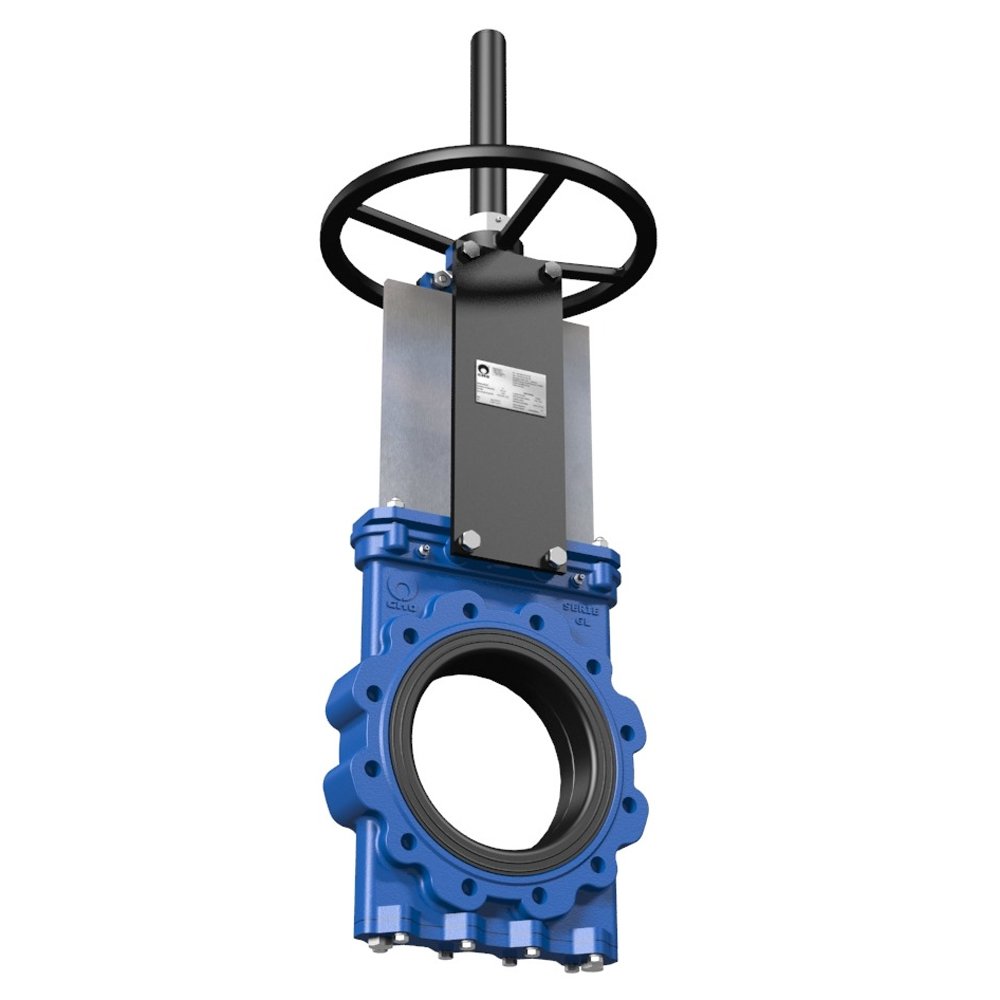
The Role of Automatic Gate Valves in Enhancing Operational Uptime and Productivity

Maintaining consistent operational uptime and maximizing productivity is a priority for industries that depend on fluid transport systems. Automatic gate valves play a key role in helping businesses achieve these goals by providing reliable and efficient flow control. These valves can be controlled remotely, operate without manual intervention, and are designed to perform under challenging conditions.

How Automatic Gate Valves Boost Uptime

Vincer automatic gate valves reduce the need for manual operation, which helps limit human error and delays. They open and close the flow path using a gate mechanism that moves vertically within the valve body. When automated, this movement is controlled by actuators that respond quickly to system commands. This quick response and remote access mean critical operations can continue without interruption, even in emergency situations. Key uptime-enhancing features include:

  • Rapid operation: Responds immediately to control signals, reducing lag.
  • Remote control: Operators can manage valves from a control room, saving time.
  • Fail-safe design: Ensures valve closure during power failures or system faults.

Productivity Gains from Efficient Flow Management

The automatic gate valve also enhances productivity by streamlining fluid flow and maintaining system pressure. This ensures consistent process performance and reduces waste or system strain caused by pressure fluctuations or flow interruptions. Main productivity benefits:

Control Valves

  • Improved process accuracy: Automatic control helps maintain desired flow rates.
  • Reduced manual labor: Less need for on-site valve operation lowers operational costs.
  • Optimized maintenance schedules: Predictive diagnostics and real-time monitoring reduce unplanned outages.

Maintenance and Durability Advantages

These valves are built with durability in mind. Most models are resistant to corrosion, pressure wear, and temperature variations. Their minimal internal components make them easier to maintain and less likely to suffer from buildup or blockage, which further contributes to long-term productivity and operational reliability.

  • Low maintenance needs due to simplified internal design.
  • Extended valve lifespan from durable materials.
  • Easy integration with existing industrial automation systems.

Applications Across Industries

Automatic gate valves are widely used in sectors such as:

  • Oil and gas: To manage flow through pipelines efficiently.
  • Water treatment: For accurate flow control and pressure balance.
  • Manufacturing: To ensure uninterrupted production lines.

Automatic gate valves are essential for industries looking to boost operational uptime and maintain high productivity. By enabling remote operation, minimizing maintenance requirements, and delivering consistent flow control, they offer a dependable solution for critical pipeline systems. Their role in reducing downtime and improving system efficiency makes them a valuable investment for long-term operational success.

Types of Plywood in the USA: A Complete 2025 Guide With Prices

Are you working on a project you’re thinking of, like an interior or furniture overhaul Are you considering building some thing? A good plywood choice is crucial for your cost, durability and quality. This article will assist you understand the different type of plywood which are readily available within the USA. Additionally, we’ll give you a rough estimate of cost of the plywood, so that you are aware.

The most well-known kinds of plywood are available in the USA

Softwood Plywood

Softwood plywood is derived from spruce, pine or fir. It is durable and light. It is commonly utilized in building projects such as roofs, wall sheathing, and subfloors. The affordability and availability of this kind of wood makes it an extremely popular option.

  • Prices vary from $25 to $60 for a 4-foot x 8 foot sheet that is 1/2″ up to 3/4″.

Hardwood Plywood

The veneers are composed from maple, oak or the birch. It is a popular choice in cabinetry and furniture because it’s strength and durability.

  • Prices vary from $50 up to $120 for a 4-foot x 8″ sheet

Marine Grade Plywood

Marine plywood was specifically designed to resist water and ensure the durability of wood in humid conditions. It is constructed with top-quality veneers, a waterproof glue and is suitable to build construction of coastal structures, outdoor furniture as well as bathroom construction and boats.

  • Prices vary from $80 up to $200 for a four’ 8′ x 4′ sheet

plywood manufacturers

MDO Plywood

The MDO plywood (Medium-Density-Overlay) is made by gluing an overlay of fine fibers treated with resin onto the base of the plywood. It provides abrasion-resistant and tough finish. The smooth, strong surface and tensile strength of this material makes it an ideal choice for challenging conditions.

VINAWOOD is a leading MDO plywood producer, is known for its rigorous quality control. Every sheet is thoroughly tested at our labs in-house to ensure it meets the standards set by international organizations for quality, durability and strength quality.

  • The prices range from $70 up or $150 to purchase a 4-foot x 8″ sheet

Plywood Press Treated

The wood that is used to make pressure-treated wood products is chemically treated to stop mold, rot, as well as insect invasion. It is a great choice for construction projects that are subject to the elements, like sheds and decks.

  • The prices range from $50 up or $150 to purchase a 4-foot x 8″ sheet

Fire-Retardant Plywood

The wood used as fire retardant is covered with a specific chemical that helps limit the spread of flames and smoke. It is typically employed in commercial structures as well as fire-resistant wall surfaces and also for public spaces in which additional protection against fire is needed.

  • Prices vary from $70 up to $180 for a four eight’ by 4′ sheet

CDX Structural Plywood

CDX plywood is also referred to as softwood plywood is typically employed in general construction. Its low cost and the strength of this kind of plywood makes it a great option for roofs walls, subfloors and wall sheathing.

  • Prices vary from $30 to $70 for a 4-foot x 8″ sheet

Baltic Birch Plywood

Baltic Birch Plywood is an extraordinary product that has many fine layers that provide the strength and durability. Because of its consistent and smooth appearance, it’s often employed for woodworking of high-end quality, furniture, and cabinetry.

  • The prices range from $65 to $150 for a 4-foot x 8″ sheet

MDF Core Plywood

MDF Core Plywood is a blend of the MDF (medium-density fiberboard) as well as the plywood veneers. Its flat surface is ideal for painting and decorative applications like interior paneling as well as furniture.

  • Prices vary from $65 to $120 for a 4-foot x 8″ sheet

Plywood What is it? Where do I get it?

The world’s largest plywood producer expands its the reach of its business to all over the world

VINAWOOD Co. LTD was established in 1992, and since then has grown to become one of Vietnam’s most ingenuous plywood manufacturers. The company is renowned for its premium products. VINAWOOD has more than 30 years of experience, is the first to promote Vietnamese plywood in the international market. The company supplies customers across Asia, North America and Latin America as well as across Asia, North America and the Middle East.

VINAWOOD established in 1989, is specialising in Formwork/Film Faced Plywood (also called Formwork Plywood), Commercial Plywood and Furniture Plywood. The company also has an important presence in the market for office furniture wholesale. The year 2005 was the time when the business took a significant step in expanding its operations to international markets. The company contributed between 5 and 15 percent of Vietnam’s imports of plywood. It included South Korea and Japan.

VINAWOOD is driven by constant innovation and dedication to excellence, grew its exports to North America (USA and Mexico), Latin America and the Middle East. (Turkey and UAE). The company established its own dedicated Domestic Sales Department in 2014 to meet the demands of the expanding Vietnamese market.

VINAWOOD exports 60% of its products around the globe and 40 percent of their production is utilized to serve domestic needs that demonstrates their strategy for growth that is balanced.

Commitment to sustainability, quality & conformity

VINAWOOD is dedicated to providing the highest high-quality products. Its commitment to quality is evident in modern manufacturing facilities as well as the testing labs in-house which each product undergoes an exhaustive assessment of its physical properties as well as adhesiveness to ensure high-quality and performance.

The company holds several international accreditations, including:

  • ISO 9001:2015 – Quality Management System
  • FSC-COC – Responsible Forest Management
  • EPA TSCA Title VI – Formaldehyde Emission Compliance (USA)
  • The EUTR Compliance (EU) EUTR Compliance (EU) Legal Timber Sourcing
  • KS Mark – Korean Standards for Plywood
  • CE Marking EN13986 – European Safety & Environmental Compliance

These certifications demonstrate VINAWOOD’s dedication to environmental sustainability, sustainability as well as legal compliance. VINAWOOD is a trusted supplier for customers seeking high-quality wood products as well as ethically sourced.

Vinawood is available directly via the following phone numbers to answer any questions about partnership for technical queries, orders or partnership questions:

  • Website: https://vinawoodltd.com/
  • Email: info@vinawoodltd.com
  • Tel: +84-83-333-2333

What Families Should Know Before Choosing Aged Care Support at Home

Thinking about getting some help at home for an elderly family member? There is a lot to consider, and it can feel overwhelming at first. But with the right info, you can make choices that keep your loved one comfortable, safe, and happy. Let’s break down what you need to know without all the big, blocky paragraphs!

What Kind of In-Home Support Is Out There?

First off, not all in-home care is the same! Here are some common types:

  • Personal care: Help with bathing, dressing, grooming, etc.
  • Meal support: Planning, prepping, and sometimes feeding.
  • Medication reminders: Making sure medications are taken correctly.
  • Housekeeping: Light cleaning, laundry, tidying up.
  • Respite care: Temporary relief so family caregivers can take a breather scheduled or in emergencies.

Tip: Make a list of what your family member needs help with daily or weekly. This will guide you when you start looking for providers. For those seeking more comprehensive options, consider exploring residential care disability services as well.

Home Care Disability Services

How Do You Choose a Trustworthy Provider?

Finding the right people matters! Here is how you can check if a provider is a good fit:

  • Check accreditations: Are they recognized by aged care industry bodies?
  • Read reviews and testimonials: What are other families saying?
  • Look for transparency: Good providers will clearly share their qualifications and client experiences.
  • Research complaints: Any red flags in regulatory reports?

Do not be shy about asking questions. A good provider will welcome them.

Creating a Personalised Plan

One size does not fit all! Make sure the care plan actually matches your loved one’s needs and preferences.

How do you make it personal?

  • Talk it through: Share your loved one’s daily routine, likes/dislikes, medical needs, and hobbies.
  • Stay flexible: Needs can change. Review the plan regularly with your provider.
  • Think beyond the basics: Emotional and social support matter just as much as physical care.

Remember: The goal is to help your loved one feel respected, comfortable, and in control.

Understanding Costs and Funding

Money talk can be stressful, but it is important to tackle it early.

What should you look at?

  • Government help: Check out programs like Home Care Packages or the Commonwealth Home Support Programme.
  • Private options: Savings, pensions, or insurance can help fill any gaps.
  • Budget planning: Figure out what you can afford and where you might need help.

Pro tip: Chat with an aged care adviser or financial planner they can help you navigate all the options and paperwork.

Safety, Privacy, and Dignity: Non-Negotiables

Your loved one’s well-being comes first. Here is how to make sure they are protected and respected:

  • Safety checks: Regularly assess the home for hazards, and make sure caregivers know what to do in an emergency.
  • Respect privacy: Caregivers should respect personal space and keep all information confidential.
  • Dignity matters: Open communication about preferences and boundaries goes a long way.

Quick checklist:

  • Are there clear safety protocols?
  • Does the provider train staff in privacy and dignity?
  • Is there a way to give feedback or update the care plan?

Final Thoughts

Choosing in-home aged care does not have to be daunting. Break it down into steps, ask lots of questions, and trust your instincts. With the right support, your loved one can keep enjoying life at home safely, comfortably, and with dignity. Still have questions? Reach out to aged care professionals, or talk to friends who have been through the process. You are not alone, and there is plenty of help out there!

How to Check Your Car Seat Expiration Date Without Losing Important Details

Every parent wants to keep their child safe during car rides. One important safety step is making sure your child’s car seat is not expired. Car seats have expiration dates because materials wear out over time, safety standards change, and old seats may not protect your child properly in a crash. Knowing how to find and understand the expiration date helps you avoid using an unsafe car seat.

Locate the Expiration Date on the Car Seat

Riverbaby car seats have the expiration date printed somewhere on the seat itself. Common places to look include:

  • On a sticker or label on the back or bottom of the seat
  • Molded or embossed into the plastic shell of the seat
  • On the instruction manual or warranty card if you still have it

If you cannot find the expiration date, check the car seat brand’s website or contact their customer service for help.

Understand What the Expiration Date Means

The expiration date is the final date the car seat should be used. After this date, the seat may no longer provide full protection because:

  • Plastic parts can weaken or crack over time
  • Safety technology may become outdated
  • Past recalls or wear and tear may affect the seat’s reliability

The expiration date usually ranges from 6 to 10 years after the seat’s manufacture date.

Find the Manufacture Date

If the expiration date is not directly listed, look for the manufacture date. It is often printed on a label or molded into the seat’s plastic shell. Once you find this date, add the number of years recommended by the manufacturer often 6 to 10 years to determine the expiration date.

Check for Recalls and Safety Notices

Expiration date is not the only important safety detail. Even if the seat is still valid, check if there are any recalls for your model. Recalls can be found on the manufacturer’s website or on government safety sites. Using a recalled seat can put your child at risk.

Keep Records and Set Reminders

To avoid confusion in the future:

  • Write down or save a photo of your car seat’s expiration date and manufacture date
  • Set a calendar reminder a few months before the expiration date to plan for a replacement
  • Keep the instruction manual handy for reference

Conclusion

By following these simple steps, you can quickly and accurately check your car seat’s expiration date without missing important details and how do you know if a car seat is expired. This helps ensure your child’s safety every time you travel. Always replace expired or recalled car seats promptly to protect your little one.

  • Find the expiration date: Check labels or the seat’s shell.
  • If no expiration date, find manufacture date: Add recommended years to calculate expiration.
  • Expiration typically 6-10 years from manufacture.
  • Check for recalls: Visit manufacturer or government websites.
  • Keep a record: Save dates and set reminders to replace the seat on time.