Renting a luxury restroom trailer is an excellent way to elevate any event, ensuring that your guests experience comfort, privacy, and style in a way that traditional portable restrooms simply cannot match. Whether you are planning a wedding, a corporate event, a festival, or any special occasion, a luxury restroom trailer provides a level of convenience and elegance that can truly transform the overall atmosphere. Luxury restroom trailers are designed to offer a higher standard of cleanliness and comfort. Equipped with air conditioning and heating systems, these trailers provide climate control to ensure a pleasant experience for your guests, no matter the weather. The interiors are often furnished with high-end finishes, including beautiful flooring, upscale vanities, elegant lighting, and spacious stalls with flushable toilets. Some even include amenities like sinks with running water, hand lotion, and premium hand soaps, giving your event a refined and polished touch.
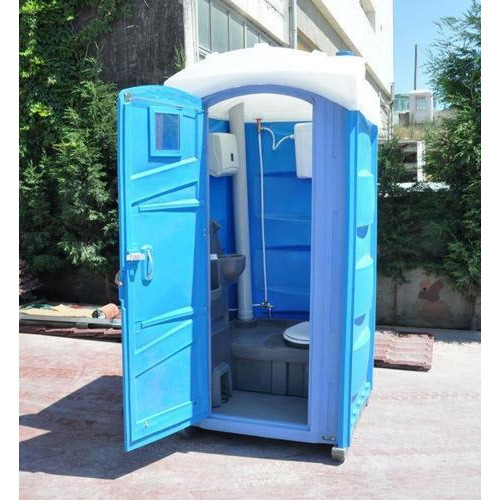
One of the key advantages of renting a luxury restroom trailer is the privacy it offers. Unlike traditional portable toilets, which can often feel cramped and uncomfortable, luxury restroom trailers are designed with your guests’ comfort in mind. The trailers typically feature private stalls with full-height walls and spacious interiors, ensuring a more comfortable and dignified experience. Many trailers come with separate men’s and women’s facilities, each equipped with multiple stalls and sinks, so that everyone can enjoy ample space and convenience. Additionally, a luxury restroom trailer is much more hygienic than typical portable toilets. With a focus on cleanliness, the units are regularly maintained and stocked with all necessary supplies, such as toilet paper, paper towels, and sanitizing products. The high-quality finishes inside are easy to clean and maintain, ensuring a consistently pleasant environment throughout your event. The luxury restroom trailer also eliminates the inconvenience of long queues and overcrowded facilities, which are often issues at larger events. With more spacious units and multiple stalls, your guests will be able to use the restrooms at their convenience without the hassle of waiting in line.
This added level of comfort can make a huge difference in the overall satisfaction of your guests. For events held in outdoor or remote locations, where traditional restrooms may not be available, luxury restroom trailers are the perfect solution. They can be easily transported to any location and set up with minimal hassle, ensuring that your event runs smoothly from start to finish. Many rental companies offer delivery, setup, and maintenance services, allowing you to focus on other aspects of the event while they take care of the restrooms. In conclusion, renting a luxury restroom trailer is a simple yet effective way to enhance the guest experience at your next event. By offering a level of comfort, privacy, and cleanliness that traditional restrooms simply cannot provide, you will create a lasting impression on your guests and elevate the overall atmosphere of your event. Whether it is for a wedding, corporate gathering, or festival, investing in a restroom trailers Fresno is a decision that is sure to be appreciated by all who attend.