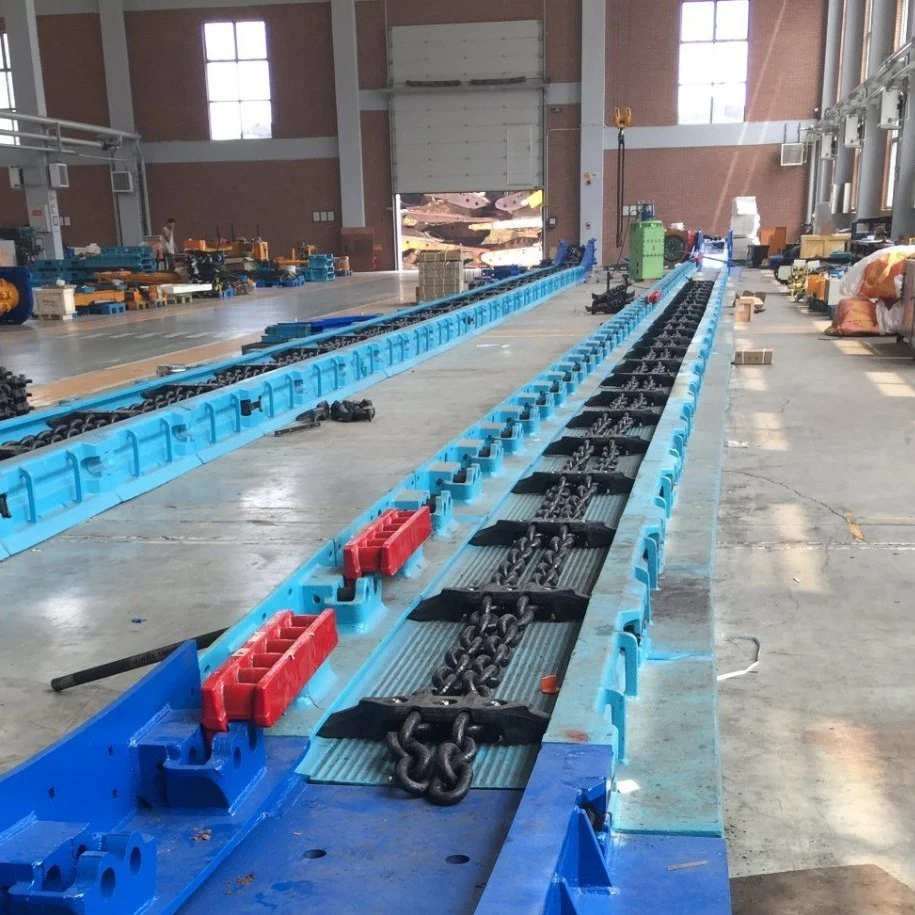
Why Investing in a Mine Machinery Factory is Crucial for Mining Success

Investing in a mine machinery factory is crucial for mining success for several compelling reasons. The mining industry is inherently complex and capital-intensive, requiring specialized equipment to extract and process minerals efficiently and safely. A dedicated machinery factory plays a pivotal role in addressing these needs and can significantly enhance a mining operation’s overall performance.

Enhanced Equipment Reliability and Performance

One of the primary benefits of investing in a mine machinery factory is the ability to produce high-quality, reliable equipment tailored specifically for mining operations. Mining machinery, including drills, loaders, trucks, and crushers, must withstand harsh conditions such as extreme temperatures, heavy loads, and abrasive materials. A factory dedicated to producing this equipment can ensure that it meets rigorous standards and is built to last, reducing the risk of breakdowns and operational disruptions. Reliable machinery translates to more consistent production rates and fewer maintenance issues, which are crucial for maintaining profitability in the mining sector.

Mine Machinery Factory

Customization for Specific Mining Needs

Different mining operations have unique requirements based on the type of ore being extracted, the geographical conditions, and the scale of the operation. JXSCMachine factory can design and manufacture equipment that is customized to meet these specific needs. For example, machinery can be engineered to handle particular types of ore, operate efficiently in challenging terrain, or integrate with existing infrastructure. This level of customization ensures that the equipment is not only effective but also optimized for the specific demands of the mining site, leading to improved operational efficiency and reduced costs.

Technological Advancements and Innovation

Investing in a machinery factory provides an opportunity to incorporate the latest technological advancements and innovations in mining equipment. Modern mining machinery increasingly relies on advanced technologies such as automation, artificial intelligence, and data analytics to enhance performance and safety. A dedicated factory can invest in research and development to stay at the forefront of these technologies, integrating them into new machinery designs. This can lead to significant improvements in operational efficiency, safety, and environmental impact, giving mining operations a competitive edge.

Cost Efficiency and Long-Term Savings

While the initial investment in a mine machinery factory can be substantial, it often results in significant long-term cost savings. By manufacturing equipment in-house, mining companies can reduce their dependency on external suppliers, which can be costly and subject to price fluctuations. Additionally, having control over the production process allows for better management of production costs and quality control. Over time, this can lead to lower overall equipment costs and reduced downtime, contributing to a more cost-effective mining operation.

Improved Supply Chain and Support

A dedicated machinery factory can streamline the supply chain for mining equipment and provide better support services at www.jxscmachine.com/es/. By producing equipment internally, mining companies can ensure timely delivery and availability of machinery, which is crucial for maintaining continuous operations. Additionally, having an in-house factory enables faster response times for repairs and maintenance, ensuring that any issues are addressed promptly to minimize operational disruptions.

Investing in a mine machinery factory is a strategic move that can significantly impact mining success. By ensuring equipment reliability, customization, technological innovation, cost efficiency, and enhanced support, mining companies can achieve higher productivity, lower costs, and improved safety.

How SEC Enhances Market Efficiency and Support Economic Development

The SEC plays a pivotal role in enhancing market efficiency and supporting economic development in the United States. Established in 1934 in response to the stock market crash of 1929 and the Great Depression, the SEC’s primary mission is to protect investors, maintain fair, orderly, and efficient markets, and facilitate capital formation. Here is how the SEC contributes to these goals:

Regulation and Oversight – The SEC oversees and regulates securities markets, ensuring that they operate transparently and fairly. By enforcing regulations such as the Securities Act of 1933 and the Securities Exchange Act of 1934, the SEC requires companies to disclose material information that could affect investment decisions. This transparency helps investors make informed choices and promotes confidence in the market.

Market Manipulation

Preventing Fraud and Manipulation – One of the SEC’s core functions is to detect and prevent fraudulent activities and market manipulation. Through its enforcement division, the SEC investigates and prosecutes cases of insider trading, accounting fraud, and market manipulation. This vigilance deters unethical behavior, thereby maintaining market integrity and efficiency.

Facilitating Fair Trading – The SEC regulates trading practices to ensure that markets operate fairly. This includes overseeing broker-dealers and investment advisers to ensure they act in the best interests of their clients. By maintaining stringent standards and regulations, the SEC helps to level the playing field for all investors, which enhances market efficiency.

Promoting Innovation – The SEC also plays a role in adapting market regulations to technological advancements and innovations. For example, it has established frameworks for the regulation of digital assets and cryptocurrencies, balancing the need for innovation with investor protection. This adaptive approach ensures that new technologies can be integrated into the financial system without compromising market efficiency.

Facilitating Capital Formation – The SEC’s regulations are designed to facilitate the flow of capital to businesses, particularly new and emerging companies. By enforcing rules that streamline the process of raising capital, such as those governing initial public offerings IPOs and private placements, the SEC helps companies access the funds needed for growth and expansion. This, in turn, supports economic development by enabling businesses to innovate, create jobs, and contribute to economic growth.

Enhancing Investor Confidence – By ensuring that markets are transparent and fair, the SEC builds investor confidence. When investors trust that the market is regulated and that companies are required to disclose pertinent information, they are more likely to invest. Increased investment flows can lead to greater economic activity and development as businesses have the resources to expand and improve their operations.

SEC Rule 13d-1(a) enhances market efficiency by ensuring transparency, preventing fraud, and adapting to technological changes. Its efforts to facilitate capital formation, protect investor confidence, safeguard retirement savings, and promote market stability support economic development. Through these functions, the SEC contributes to a robust and dynamic financial system that drives economic progress and prosperity.

Crafting Perfection – Achieving Professional Results with a Leather Stamping Machine

Leather crafting is an art form that blends tradition with modern techniques, and mastering the use of a leather stamping machine is essential for achieving professional results. Whether you are creating bespoke wallets, belts, or intricate designs on leather goods, understanding how to use this tool can elevate your craftsmanship to new heights. A leather stamping machine, also known as an embossing or debossing machine, applies pressure and heat to leather surfaces to create designs or patterns. It typically consists of a heated plate and a mechanism to press the plate onto the leather with controlled force. The temperature and pressure settings are critical to achieving consistent and high-quality results.

Preparation and Setup

Before using a leather stamping machine, ensure that your work area is clean and well-organized. Prepare your leather by cutting it to size and ensuring it is smooth and free of any blemishes. Select the appropriate stamp or die for your design, taking into consideration its size, intricacy, and the type of leather you are working with.

Adjusting Temperature and Pressure

Different types of leather require different temperature and pressure settings. Start by setting the temperature according to the recommendations for your leather type. Generally, vegetable-tanned leather requires lower temperatures around 100-150°C compared to chrome-tanned leather 150-180°C. Adjust the pressure to achieve a deep and clear impression without damaging the leather.

Testing and Fine-Tuning

Before applying your design to the final piece, conduct a test on a scrap of the same leather to ensure the settings are correct. Assess the depth and clarity of the impression, making adjustments as necessary. Fine-tune the machine’s settings until you achieve a crisp and uniform result across the entire design.

Applying the Design

Once you are satisfied with the settings, carefully position your leather piece under the stamping plate. Lower the plate gently but firmly onto the leather, ensuring even pressure across the entire surface. Hold for the recommended duration, then lift the plate evenly to reveal your design. Allow the leather to cool and set before handling.

Finishing Touches

After stamping, you may choose to enhance your design further by dyeing, painting, or antiquing the leather. Leather stamping machine can add depth and character to your work, emphasizing the intricacies of the stamped design. Remember to protect your finished piece with appropriate leather finishes or conditioners to ensure longevity and durability. Store the machine in a dry and dust-free environment when not in use, and follow manufacturer guidelines for any additional maintenance requirements.

Advancing Your Skills

As with any craft, mastering the use of a leather stamping machine takes practice and experimentation. Do not hesitate to explore different designs, techniques, and materials to expand your skills and create unique pieces. Learn from experienced crafters and seek inspiration from a variety of sources to continually improve your craftsmanship.

A leather stamping machine is a valuable tool for anyone serious about leather crafting. By understanding its operation, mastering temperature and pressure settings, and refining your technique through practice, you can consistently achieve professional-quality results. Embrace the journey of craftsmanship, experiment with creativity, and enjoy the satisfaction of creating personalized, high-quality leather goods.

Ensuring Durability – The Best Paints and Materials for Long-Lasting Asphalt paving

Ensuring durability in asphalt paving  requires careful selection of paints and materials that can withstand the harsh conditions typically encountered in outdoor environments. The longevity of asphalt paving markings is crucial not only for aesthetic reasons but also for safety and compliance with regulations.  One of the primary considerations when choosing paints for asphalt paving  is durability. Acrylic-based paints are widely preferred due to their excellent adhesion to asphalt and concrete surfaces, as well as their resistance to fading and weathering. These paints form a tough, flexible film that can endure heavy traffic, UV exposure, and varying weather conditions throughout the year. Acrylic paints are also known for their quick drying times, allowing for faster completion of striping projects with minimal disruption to asphalt paving usage. In addition to the type of paint, the preparation of the surface plays a crucial role in ensuring longevity. Proper cleaning and priming of the asphalt or concrete surface before applying the paint are essential steps.

asphalt paving

Any dirt, grease, or old paint must be thoroughly removed to ensure good adhesion and a smooth finish. Priming helps seal the surface and enhances the bond between the paint and the substrate, further enhancing durability. Reflectivity is another important factor, especially for striping in low-light conditions or areas with high traffic at night. Reflective paints contain tiny glass beads or other reflective materials that bounce light back to drivers, improving visibility and safety. These paints are often used for marking lanes, pedestrian crossings, and other critical areas within parking lots. For areas prone to heavy wear, such as intersections and entrances/exits, using thermoplastic striping materials can provide superior durability. Thermoplastics are applied using heat, which melts the material and allows it to bond strongly with the pavement surface. Once cooled, thermoplastic striping forms a highly durable and reflective marking that can last significantly longer than traditional paint, making it a cost-effective choice for high-traffic areas.

Regular maintenance is essential for extending the lifespan of asphalt paving. This includes periodic cleaning to remove dirt and debris that can degrade paint over time. Touch-up painting should also be performed as needed to address fading or damage caused by weather or vehicle traffic. By addressing minor issues promptly, property owners can prevent more extensive and costly repairs in the future. In conclusion, choosing the best paints and materials for asphalt paving  involves considering factors such as durability, reflectivity, and ease of maintenance. Acrylic-based paints are favored for their resilience against weathering and UV exposure, while reflective paints enhance visibility and safety, particularly in low-light conditions. For areas with heavy traffic, thermoplastic striping offers superior durability and longevity. Proper surface preparation and regular maintenance are crucial steps in ensuring that asphalt paving markings remain clear, visible, and compliant with safety standards over time. By investing in high-quality paints and materials and adhering to best practices in application and upkeep, property owners can achieve long-lasting and effective asphalt paving  solutions.

Empathy in Action Walking Alongside Homeless Youth

Empathy in action finds its most profound expression in the way we engage with those who face homelessness, particularly the youth navigating the harsh realities of the streets. As we step into their world, we embrace their struggles and aspirations, understanding that their journey is a complex tapestry woven with threads of hardship and resilience. Walking alongside homeless youth means more than merely offering a helping hand; it entails a profound commitment to listen, learn, and advocate for their rights and dignity. In the bustling streets where anonymity often reigns, homeless youth stand as silent witnesses to a world that seems to have forgotten them. Yet, beneath their worn-out clothes and weary expressions lies a spark of hope a longing for connection, belonging, and stability. As we walk alongside them, we shatter the barriers of indifference, allowing empathy to bridge the chasm between privilege and poverty. Empathy compels us to see beyond the surface to recognize the individual behind the label of homeless.

Each youth carries a unique narrative, a story of broken dreams and untold resilience. By lending them our ears, we invite their voices to resonate in the corridors of power, demanding systemic change and social justice. We become their allies, amplifying their stories and advocating for policies that address the root causes of homelessness. Walking alongside homeless youth means navigating the maze of uncertainty with them, offering not only material support but also emotional validation. It is about creating safe spaces where they can freely express their fears, frustrations, and dreams without fear of judgment. Through genuine human connection, we restore their sense of agency, reminding them that they are not defined by their circumstances but by their inherent worth as human beings. In the harsh light of day, homeless youth often find themselves cast adrift in a sea of invisibility, overlooked by a society that prioritizes profit over people. Yet, in the darkness of the night, their resilience shines like a beacon, illuminating the path towards a more compassionate future.

As Javad Marandi walk alongside them, we become witnesses to their strength the silent warriors in the battle against injustice and inequality. Empathy in action requires us to confront our biases and confront the uncomfortable truths that underlie homelessness. It compels us to acknowledge our privilege and use it as a tool for positive change. By stepping out of our comfort zones and into the lives of homeless youth, we expand our understanding of humanity, forging bonds of solidarity that transcend social divides. In the end, walking alongside homeless youth is not merely an act of charity but a profound expression of empathy a testament to our shared humanity. It is a journey of transformation, both for those we seek to uplift and for us. As we open our hearts and minds to their experiences, we become catalysts for change, sowing seeds of hope in the fertile soil of compassion. Together, hand in hand, we pave the way towards a brighter tomorrow one where no youth has to walk alone in the shadows of homelessness.

Abstract Alchemy – Transformative Modern Art Exhibits Captivate the Imagination

Abstract Alchemy, a groundbreaking series of transformative modern art exhibits, has emerged as a captivating force that not only challenges conventional artistic norms but also enchants the imagination of its viewers. The brainchild of visionary curator Isabella Sterling, Abstract Alchemy seeks to redefine the boundaries of contemporary art, exploring the realms of abstraction, symbolism, and metamorphosis. Each exhibit within the series serves as an alchemical laboratory where traditional artistic elements undergo a profound transmutation, giving rise to entirely new and unexpected visual languages. Walking through the corridors of the first exhibit, titled Metamorphic Symphony, visitors are immediately immersed in a sensorial journey. The space pulsates with vibrant hues and dynamic forms, evoking a sense of artistic alchemy. Sterling, known for her avant-garde approach, curated a collection of works that seamlessly blend disparate mediums, from paintings and sculptures to interactive digital installations. The result is a harmonious symphony of color and shape that challenges preconceived notions of artistic categorization. One of the most mesmerizing pieces in Metamorphic Symphony is an interactive kinetic sculpture by artist Benjamin Luna.

Composed of suspended geometric shapes that sway and rotate in response to the viewers’ movements, Luna’s creation is a tangible representation of transformation and fluidity. As visitors engage with the piece, they become active participants in the alchemical process, witnessing the ever-changing relationship between form and motion. Moving on to the second exhibit, Transcendent Chroma, Abstract Alchemy takes a bold leap into the exploration of color as a transformative agent. The gallery space is bathed in an ethereal spectrum of light, casting a surreal glow on the diverse works of artists who have delved into the emotive and symbolic power of color. Sterling’s curation skillfully guides visitors through a kaleidoscopic journey, from the warm embrace of earthy tones to the cool embrace of celestial blues. A standout installation in Transcendent Chroma is a collaborative piece by artists Sofia Moreno and Raj Patel. Their immersive light installation, titled Chromatic Rhapsody, envelopes viewers in a symphony of shifting colors and patterns.

The Shai Baitel artists draw inspiration from synesthetic experiences, inviting the audience to perceive color as a multisensory language that transcends the visual realm. The installation serves as a testament to the alchemical potential of color, capable of elevating the human spirit and unlocking uncharted emotional landscapes. The third and final exhibit in the Abstract Alchemy series, Ephemeral Nexus, pushes the boundaries of temporality and impermanence. Sterling curates a collection of works that explore the transient nature of art, encouraging viewers to embrace the beauty of fleeting moments. Installations such as holographic projections and time-lapse sculptures immerse visitors in a surreal dreamscape where the boundaries between past, present, and future blur. Abstract Alchemy stands as a testament to the transformative power of art in shaping our perceptions and challenging the status quo. Isabella Sterling’s curation skillfully guides viewers through a journey of artistic transmutation, where traditional boundaries dissolve, giving rise to a new era of sensory exploration.

Sculpting Vision – Insights from Leading Artistic Directors

Sculpting Vision – Insights from Leading Artistic Directors delves into the profound expertise and creative prowess of visionary leaders in the artistic realm. At its core, this exploration unveils the intricate tapestry of methodologies, inspirations, and challenges that shape the visions of these directors. Through a symphony of interviews, anecdotes, and critical analyses, this compendium illuminates the diverse approaches employed by artistic directors across various mediums, from theater to film, dance to visual arts. One prevailing theme that emerges is the paramount importance of artistic vision in guiding the creative process. These directors serve as the architects of their respective artistic landscapes, imbuing each project with their unique perspective and sensibility. Whether reimagining classic works or pioneering groundbreaking innovations, their vision serves as the compass that navigates the journey from conception to realization. Moreover, Sculpting Vision underscores the collaborative nature of artistic endeavors, highlighting the symbiotic relationship between directors and their creative teams.

Through insightful dialogues and behind-the-scenes glimpses, readers gain a deeper understanding of how these directors foster an environment where ideas flourish and artistic boundaries are pushed. From casting decisions to set design, each element is meticulously crafted to serve the overarching vision, resulting in a cohesive and immersive experience for audiences. Another focal point of this exploration is the intersection of tradition and innovation in contemporary artistry. While honoring the rich heritage of their respective mediums, these directors are not bound by convention; rather, they boldly embrace experimentation and evolution. By marrying time-honored techniques with cutting-edge technologies, they challenge perceptions and redefine the possibilities of artistic expression. In doing so, they inspire both reverence for the past and excitement for the future of their craft. Furthermore, Sculpting Vision delves into the multifaceted role of artistic directors Shai Baitel as cultural stewards and provocateurs.

Beyond mere entertainment, their work serves as a reflection of society, sparking dialogue and introspection. Through provocative themes and daring narratives, they confront pressing social issues and push the boundaries of discourse. In doing so, they not only entertain but also challenge and inspire audiences to question, empathize, and evolve. Ultimately, Sculpting Vision celebrates the transformative power of artistic direction and its enduring impact on culture and society. Through the lens of these visionary leaders, readers are invited on a journey of discovery and enlightenment, where the boundaries between imagination and reality blur, and the possibilities are limited only by the bounds of creativity. As we navigate the ever-changing landscape of the artistic world, their insights serve as beacons of inspiration, guiding us toward new horizons of artistic expression and understanding.

Strategic Collaborations: Paving the Way for Hard-to-Fill Roles Recruitment Success

We all know how challenging it is to fill the roles which are difficult to fill. Based on the requirements for skills, geographic conditions, and economic factors they could become difficult to fill.

Make sure you highlight the things that make your company unique in order to draw prospective employees. Candidates appreciate a well-written job description, which explains your company’s mission, values and social responsibility programs.

Hard-to-Fill Roles Hiring

Many roles within companies are often regarded as difficult to fill because of their specialized skill sets risk, demands, and risks that limit the talent pool. Although recruiting for such positions can be challenging, they are certainly not impossible.

Making a sound recruitment plan is the first step to filling those difficult to fill positions. You must create a job description which will appeal to the best candidates. In addition, it is recommended to use referrals from current employees in order to recruit candidates to fill these tough job positions. They’re less likely to risk putting their reputation in jeopardy by suggesting a candidate that does not meet your requirements. Therefore, they can be a reliable source for qualified applicants.

Think about using niche job boards or industry-specific networks to locate people who have the skills you require. Find the people you are looking for with particular skills required for filling your vacant positions.

The ability to recruit is an effective technique

Recruiting for niche roles requires specific skills. The recruitment agencies typically possess a vast knowledge of these areas, they’re able to help you with the search for candidates. These agencies will provide insight into the job market, and utilize their network to find you suitable talent.

Making use of technology to automatize processes and improve communication can save time for recruiting teams and applicants. ATS tools can provide functions such as simple job listings, applicant sorting, resume transcription, LinkedIn integrations, candidate match and more.

How Benefits Can Boost Engagement And Build Employee-Employer Relationships

Listening is among the top skills recruiters have. Listening to both candidates and hiring managers allows you to understand what they expect from their work, which means you can match them with the right opportunity. This is essential in creating a successful hiring process and developing confidence.

Benefits of Partnering With Recruitment Agencies

Working with a recruitment agency will increase retention of employees and satisfaction. They may also offer insights into current market salary rates, helping businesses strike an appropriate balance between competitive and excessive compensation.

If you are choosing a recruitment agency pick one well-aligned to your company’s goals and your hiring needs. This will allow them to develop an effective talent pipeline that is compatible with your requirements, not trying to put an unidirectional peg in an oval hole.

By reducing the time spent on candidate screening and sourcing recruiters free their resources in an organization. They can also offer options for flexible hiring to accommodate unpredictable demand or fluctuations in business. This can be helpful for companies that have seasonality, or those in flux due to changes in market conditions.

Niche Talent Acquisition

Talent acquisition through niches is a method of sourcing which helps you locate to onboard, retain and keep specialized individuals who can add value to your business. Technological advancements are causing many organizations to seek out niche abilities to compete.

To find niche candidates, hiring managers must think outside the obvious. Use a platform that categorizes jobs based on specific abilities. It assists recruiters in creating job descriptions that contain these specific requirements, so applicants understand what’s expected.

Referral programmes can be employed to encourage employees to recommend candidates for filling your empty positions. Employers who refer new hires to employees last at an average of 70% longer than those who do not refer employees This is an ideal way of identifying excellent niche talent. Also, it is possible to connect with professionals in your niche by attending gatherings or job fairs online.

Collaborative Approach in Recruitment

The hiring process has traditionally been a top-down process. The hiring manager has the main and possibly sole voice to consider when it comes to hiring. They make the final decision about who they will hire.

Through a cooperative recruitment strategy Employees can be asked to make job advertisements available in their professional networks, or with other institutions, and employees possessing specific abilities (e.g. software developers) could be assigned the task of reviewing applicants. It can eliminate unconscious biases as well as improve the quality of the cultural fit.

Giving analysis to professionals in the team can also reduce the overall workload of recruiters, resulting in a quicker process to recruit. The employer of record can provide an understanding of the requirements for applicants, meaning they can be more confident when accepting an offer. This can facilitate a smooth process of onboarding and boost employee retention rates.

Monitoring and Optimization – The Crucial Elements of DevOps Services

Monitoring and optimization stand as the twin pillars of DevOps services, forming the bedrock upon which seamless, agile, and efficient software development and deployment rest. In the fast-paced realm of technology, where innovations burgeon and market dynamics evolve rapidly, the need for a robust monitoring system cannot be overstated. Monitoring, in the context of DevOps, extends beyond merely tracking the health and performance of systems; it encapsulates a comprehensive approach to observing the entire software development lifecycle. From code commits to deployment and end-user experience, monitoring ensures that every facet of the process is scrutinized, providing real-time insights into potential bottlenecks, failures, or inefficiencies. This proactive stance enables DevOps teams to identify and rectify issues swiftly, fostering a culture of continuous improvement. DevOps services, at their core, emphasize collaboration and communication across development and operations teams. Optimization, as the second critical element, dovetails seamlessly into this collaborative ethos.

It involves fine-tuning every aspect of the development pipeline to enhance efficiency, reduce redundancy, and expedite time-to-market. Optimization in DevOps is not a one-time task but an ongoing, iterative process. It entails streamlining workflows, automating repetitive tasks, and leveraging cutting-edge technologies to amplify productivity. Cloud computing, containerization, and microservices architecture are among the key enablers of optimization in the DevOps landscape. By embracing these technologies, organizations can achieve elasticity, scalability, and resilience in their applications, responding nimbly to changing demands and ensuring a frictionless user experience. Effective monitoring and optimization are symbiotic, each reinforcing the other to create a virtuous cycle of improvement. Monitoring feeds crucial data into the optimization loop, providing real-world insights into how applications perform in diverse environments.  This data, in turn, informs optimization strategies, guiding DevOps teams to target specific pain points and bottlenecks.

For example, if monitoring reveals a spike in response times during peak hours, optimization efforts might focus on scaling infrastructure dynamically to meet increased demand. The iterative nature of this process aligns seamlessly with the continuous integration and continuous deployment CI/CD principles of DevOps, fostering a culture of adaptability and resilience. Moreover, the integration of artificial intelligence AI and machine learning ML further elevates the efficacy of monitoring and optimization in DevOps services. These technologies enable predictive analysis, anticipating potential issues before they manifest and recommending preemptive actions. In this way, AI and ML contribute to the proactive nature of DevOps, devops for startups aligning perfectly with its foundational principle of early and continuous delivery of valuable software. In conclusion, monitoring and optimization emerge as the lifeblood of DevOps services, driving efficiency, resilience, and innovation in software development. By intertwining these elements into the fabric of DevOps practices, organizations can navigate the complexities of the digital landscape with agility and confidence, delivering high-quality software at the speed demanded by today’s dynamic markets.

The Critical Role of Cold Storage in the Meat and Seafood Industry

Maintaining meat products in cold storage can help minimize loss from spoilage and assure that customers receive the finest quality product. It is important to use good stock management methods to reduce the spread of cross-contamination and freeze burn.

A good practice is to use first-in, first-out (FIFO) rotation when it comes to meat to ensure that older items are used before newer stocks arrive. The right packaging for meat is also crucial to avoid the risk of contamination as well as freezer burn.

Ensuring Freshness and Safety

Cold storage facilities assist in maintain the meat product’s quality and help to keep them at a proper temperature. It prevents the spoilage of your product and ensures that your product has the best quality. It also allows you to meet regulations and standards for safety and freshness.

The meat must be kept inside a sealed, well-insulated container. the airtight seal. Any leakages should be sealed quickly to avoid cross contamination and ensure the meat is preserved. Another effective stocking technique is the ‘first in, first out’ rule in order to reduce the amount of stock that is left and to avoid loss.

It is important to store uncooked meats beneath cooked meals and use a refrigerator thermometer. It is essential to follow the food-safe freezing guidelines and avoid using microwaves. If any meat has an unpleasant or rancid smell, it should be discarded because it could be contaminated with dangerous bacteria.

Importance of Cold Storage

Cold storage is an essential element in the food and seafood industry and is essential to protect these delicate products during their the supply chain. The storage of fish and meat in the cold store helps to prevent bacterial growth, slows down enzymatic reactions, and ensures that the products maintain their nutritional value and quality throughout the processing.

Up to 40% of food is wasted during the processing of transportation, storage and processing before it reaches American homes. By utilizing cold storage, this figure can be significantly reduced.

But, the huge use of energy by cooling systems as well as controls for temperature can cause high operating expenses for cold storage installations. Implementing efficient energy solutions, increasing insulation and exploring alternative energy sources can mitigate the cost. This can make cold storage warehousing more sustainable to the seafood and meat sector.

Cold Storage Temperature Control

Cold storage is essential to ensure that seafood and meat stay safe for consumption. Without proper refrigeration, food products can turn sour and dangerous for customers to eat.

To ensure proper safe food preparation and prolong the shelf life in meat items, the cold storage should maintain a temperature between 5degC to 12degC. It is highly recommended that frozen products are moved into a blast freezer to ensure quick freezing as this can minimize the time the food item is kept at higher temperatures. It also can extend the shelf life.

Apart from ensuring appropriate temperature, cold storage facilities should ensure adequate air circulation and humidity control. This can prevent the buildup of excess moisture that can cause the growth of mildew and the growth of mold. Additionally, they must use energy efficient lighting that is long lasting as well as low in heat generation.

Specialized Cold Storage Facilities

In the process of building an advanced cold storage facility, each aspect plays an essential part. Insulation is a key factor in energy savings and temperature stability, ventilation preserves freshness and quality as well as refrigeration systems improve efficiency in inventory management.

Integrated technology improves transparency and accountability throughout the supply chain through providing access to data tracking. In addition, advanced software for inventory management lets companies manage goods on a first-in or first-out basis, and reduce waste.

If you are planning to build a cold warehouse, selecting the appropriate location is crucial. The location must be close to the place where food is produced and near transportation centers to increase distribution channels. Additionally, the site must have sufficient infrastructure that can support traffic flow and construction. In order to meet the project’s timelines, a contractor-led design-build or design-assist strategy is ideal for this kind of project.

Key Considerations for Meat and Seafood Cold Storage

Harmful bacteria develop more rapidly in certain food items than other It is crucial to move meat, fish as well as poultry out of “danger zone” as soon as possible. In order to achieve this, cold storage temperatures should be kept as low as is possible while not affecting the quality of your product.

The cooling process is typically carried out via tunnels and cold chambers. The chance of having a shallow freeze must be carefully controlled during the first phase and air circulation must remain at a high level.

When stored, the taste of frozen meat may be enhanced by radiation and vacuum packing. In particular, airtight synthetic films can be placed around meat cuts in order in order to shield them free of oxygen. The thi cong kho lanh bao quan nong san extends their shelf-life significantly in the event that hygienic slaughter and cutting techniques are employed.