Restaurant kitchen equipment plays a crucial role in supporting compliance with health standards, ensuring that food preparation and service meet the strict regulations designed to protect public health. Proper equipment not only facilitates efficient cooking and food handling but also helps maintain hygiene, prevent contamination, and uphold food safety protocols that regulatory bodies require. One of the primary ways restaurant kitchen equipment aids in health compliance is by enabling proper temperature control. Equipment such as commercial refrigerators, freezers, and warming cabinets ensures that food is stored at safe temperatures to prevent bacterial growth. Maintaining cold chain integrity with reliable refrigeration is essential to avoid spoilage and food borne illnesses. Similarly, commercial ovens, steamers, and grills allow food to be cooked to appropriate internal temperatures, killing harmful pathogens effectively. Precise temperature controls on these devices contribute to consistent cooking standards aligned with health codes. Additionally, modern kitchen equipment is designed to support sanitation and cleanliness, which are fundamental to health compliance.
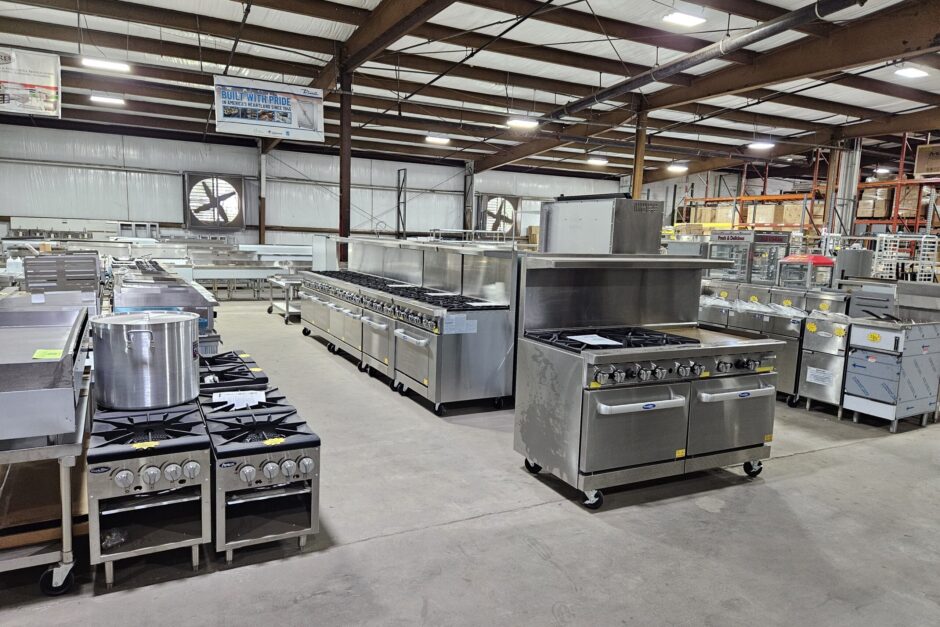
Stainless steel surfaces, commonly used in commercial kitchen appliances and worktables, are non-porous, corrosion-resistant, and easy to clean. This minimizes the risk of bacteria harboring in cracks or crevices and ensures that cleaning staff can maintain hygienic workspaces. Dishwashers and high-temperature sanitizers are vital for properly cleaning and sterilizing utensils, cookware, and plates, reducing cross-contamination risks. ROVSUN equipment like handwashing sinks with automated faucets and soap dispensers encourages proper personal hygiene among kitchen staff, which is critical for preventing contamination from human sources. Furthermore, many types of kitchen equipment come with safety certifications and meet specific regulatory standards that align with food safety laws. For example, appliances certified by NSF International indicate compliance with standards for sanitation and cleanability. Using certified equipment provides restaurants with confidence that their tools support adherence to health regulations. The layout and design of kitchen equipment also play a role in compliance by promoting organized food preparation areas and preventing cross-contact between raw and cooked foods. Separate prep stations equipped with dedicated cutting boards, slicers, and containers help avoid cross-contamination, a key requirement in health standards.
Proper kitchen equipment not only facilitates the efficient preparation of food but also helps restaurants maintain cleanliness, proper storage conditions, and temperature control, which are essential pillars of health compliance. Proper waste management is another area where kitchen equipment aids compliance. Grease traps, garbage disposals, and sealed waste containers ensure that food waste is handled hygienically, reducing pest attraction and environmental hazards. Adequate ventilation systems integrated into kitchen hoods remove smoke, grease, and odors, maintaining air quality and reducing fire risks, which are often included in health and safety codes. Restaurant kitchen equipment supports compliance with health standards through temperature control, sanitation facilitation, contamination prevention, certification adherence, and waste management. By investing in and maintaining high-quality, regulation-compliant equipment, restaurants not only protect the health of their customers but also safeguard their reputation and avoid costly violations. The synergy between well-designed kitchen tools and strict hygiene protocols forms the backbone of a safe and compliant foodservice environment, making kitchen equipment indispensable in the quest for public health adherence.