Introduction
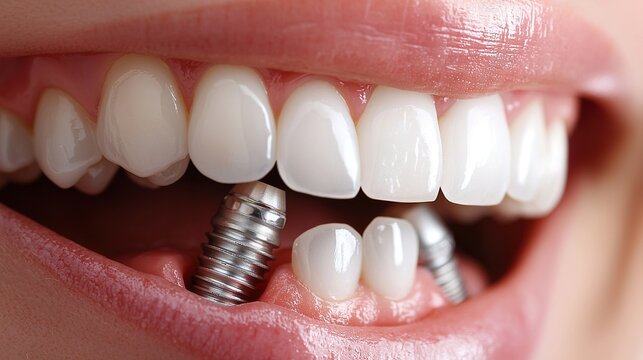
In recent years, nanotechnology has emerged as a transformative force across various sectors, including healthcare. In dentistry, the integration of nanotechnology into dental implants is redefining oral health care, offering new avenues for innovation and improved patient outcomes. This blog post delves into how nanotechnology is revolutionising dental implants, especially in vibrant urban centres such as dental implants Sydney.
The Role of Nanotechnology in Dental Implants
Nanotechnology involves engineering materials at an atomic or molecular scale, which can significantly enhance the performance and functionality of dental implants. The application of nanotechnology in dental implants focuses on improving material properties and fostering better integration with the existing bone. This innovation not only extends the lifespan of implants but also contributes to overall oral health and patient satisfaction.
Surface Modifications
One key area where nanotechnology has made strides is in surface modifications of dental implants. By creating nanoscale structures on the implant surface, it is possible to enhance osseointegration, or the process through which the implant fuses with the jawbone. This advancement leads to stronger and more stable implant retention. For more detailed insights on the impact of surface modifications, explore the latest research findings.
Antimicrobial Properties
Another significant benefit of nanotechnology in dental implants is the reduction of bacterial infections. Nanoscale coatings with antimicrobial properties are being developed to prevent infections and complications that can arise after implant surgery. These coatings can deter the growth of harmful bacteria, thereby promoting a healthier oral environment.
Advantages for Patients
Patients opting for nano-enhanced dental implants can experience a multitude of benefits:
- Improved bone healing and faster recovery times
- Reduced risk of infections
- Enhanced durability and longevity of implants
The comprehensive advantages offered by nanotechnology underscore its potential to shape the future of dental care, particularly in advanced practices like dental implant integration techniques.
Challenges and Future Prospects
While the integration of nanotechnology into dental implants is promising, it is not without its challenges. The need for extensive research and development, regulatory approvals, and cost considerations are among the hurdles that need to be addressed. However, the pace of innovation suggests that these challenges will be overcome, paving the way for broader adoption of this technology in practices worldwide, including advanced dental research studies.
Conclusion
The marriage of nanotechnology and dental implants represents a significant leap forward in oral healthcare. With the potential to improve patient outcomes and redefine implantology, this innovation is set to become a cornerstone in modern dentistry. As cities like Sydney embrace these advancements, the future looks bright for those seeking quality dental implants Sydney. By continuing to explore and refine this technology, dental professionals can offer patients a more resilient and healthier smile.
Any surgical or invasive procedure carries risks. Before proceeding you should seek a second opinion from an appropriately qualified health practitioner.