Exploring the Role of User Experience in Dental SEO Success

Exploring the Role of User Experience in Dental SEO Success

Introduction

In today’s digital landscape, the success of dental practices increasingly depends on their online presence. Understanding the intricate relationship between user experience (UX) and dental SEO has become crucial for practices aiming to attract and retain patients through their websites.

The Foundations of Dental Website UX

Navigation and Structure

A well-structured dental website serves as the cornerstone of effective user experience. Research on dental practice website optimisation indicates that intuitive navigation significantly impacts patient engagement and conversion rates. When visitors can easily find information about services, booking appointments, and dental procedures, they are more likely to become patients.

Essential UX Elements for Dental Websites

Several key components contribute to an optimal user experience:

  • Clear call-to-action buttons for appointment scheduling
  • Mobile-responsive design for seamless browsing across devices
  • Accessible contact information and practice hours
  • Fast-loading pages and optimised images
  • Easy-to-read typography and consistent branding

The Impact of Professional Credentials

Modern dental SEO strategies must incorporate proper presentation of professional qualifications and certifications. Dental practice licensing requirements and professional standards should be prominently displayed to build trust with potential patients. This transparency not only improves user experience but also contributes to better search engine rankings.

Content Quality and Engagement

High-quality, informative content plays a vital role in both user experience and dental SEO performance. Recent studies on digital communication in dentistry demonstrate that educational content significantly influences patient decision-making processes. When dental practices provide valuable information about procedures, aftercare, and oral health maintenance, they establish authority in their field while improving their search engine visibility. The content should be structured to address common patient concerns and questions, using appropriate headings and subheadings to improve readability. This approach not only enhances user experience but also supports effective dental SEO implementation through proper content hierarchy and organisation.

Technical Aspects of UX in Dental Websites

Loading Speed and Performance

Website performance metrics play a crucial role in both user experience and dental SEO rankings. Dental practices must ensure their websites load quickly and efficiently across all devices. This includes optimising images, minimising code, and utilising efficient hosting solutions to maintain optimal loading times.

Mobile Optimisation

With the majority of patients now searching for dental services on mobile devices, responsive design has become non-negotiable. Mobile-friendly websites must offer seamless navigation, readable text, and easily clickable buttons regardless of screen size. This adaptation to mobile usage patterns significantly influences search engine rankings and user satisfaction.

Local SEO Considerations

Local search optimisation remains a critical component of dental practice visibility. Practices must ensure their websites include:

  • Location-specific content and service areas
  • Updated business information and opening hours
  • Local keywords naturally integrated into content
  • Geographically specific meta descriptions and title tags

User Feedback and Analytics

Continuous improvement of user experience requires regular monitoring of website analytics and patient feedback. Dental practices should track key performance indicators such as:

  1. Page bounce rates
  2. Time spent on site
  3. Conversion rates for appointment bookings
  4. Patient feedback and satisfaction scores

This data helps practices refine their websites to better serve patient needs while improving their search engine performance.

Conclusion

The relationship between user experience and dental SEO success is undeniable. Dental practices that prioritise both technical optimisation and user-friendly design create websites that not only rank well in search results but also effectively convert visitors into patients. By maintaining a focus on user experience while implementing proven SEO strategies, dental practices can build a strong online presence that supports their growth and success. The future of dental practice marketing lies in the seamless integration of user experience principles with comprehensive dental SEO strategies. As search engines continue to evolve, practices that maintain this balanced approach will find themselves well-positioned to attract and retain patients in an increasingly competitive digital landscape.
The Science Behind Dental Biomaterials: Enhancing Oral Health

The Science Behind Dental Biomaterials: Enhancing Oral Health

Introduction: Healthy Smiles Science

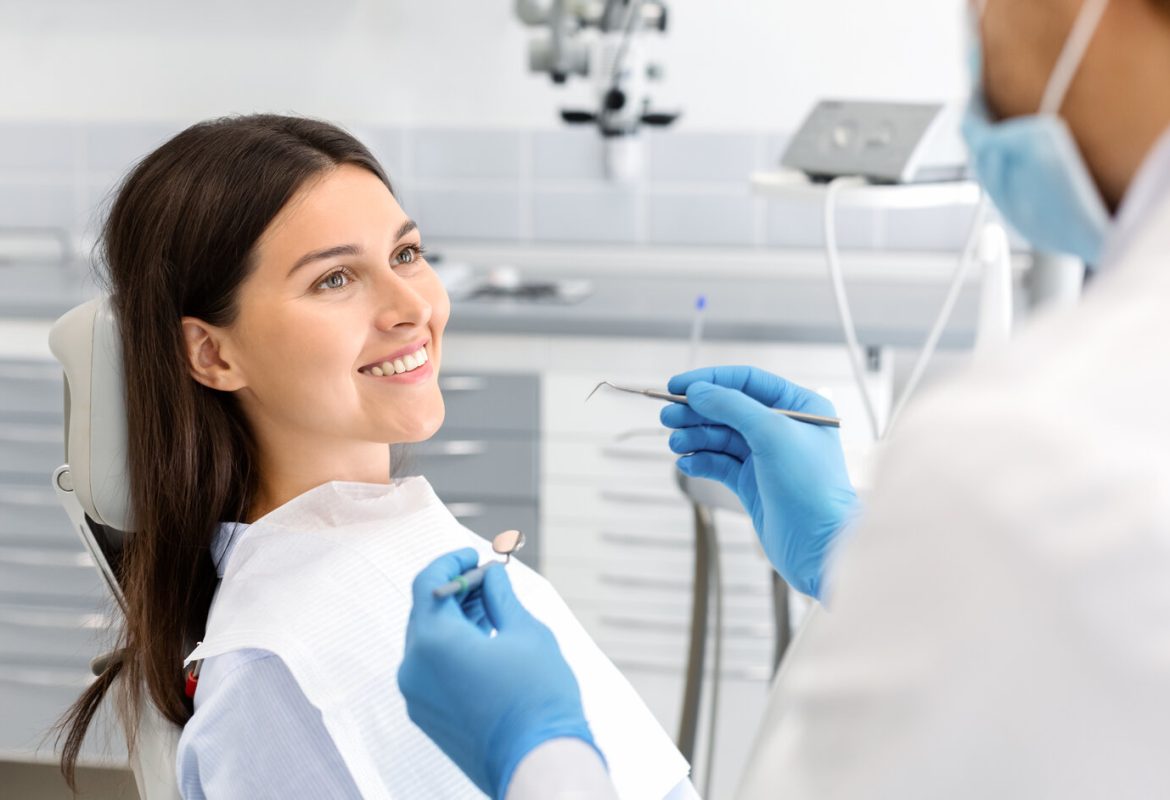
The evolution of dental science has brought remarkable advancements in biomaterials, revolutionising the way dental professionals approach oral health care. From your local dentist Welling to prestigious research institutions, the understanding and application of these innovative materials continue to enhance patient outcomes and treatment possibilities.

Understanding Dental Biomaterials

Dental biomaterials are specifically designed substances used in dental procedures to restore and maintain oral health. These materials must meet strict criteria for biocompatibility, durability, and aesthetic appeal. The University of Florida’s Dental Biomaterials Research Laboratory has been at the forefront of developing and testing these revolutionary materials.

Types of Dental Biomaterials

Modern dentistry utilises various biomaterials, each serving specific purposes in oral health restoration:

  • Composite resins for natural-looking fillings
  • Glass ionomers for chemical bonding to tooth structure
  • Dental ceramics for crowns and veneers
  • Bioactive materials for tissue regeneration

Advanced Research and Development

The field of dental biomaterials is continuously evolving through extensive research and development. Harvard School of Dental Medicine’s Department of Restorative Dentistry and Biomaterials Sciences leads groundbreaking studies in material innovation. These developments have enabled your dentist to offer more effective and longer-lasting treatment options.

Innovation in Biocompatibility

One of the most significant advances in dental biomaterials has been the improvement in biocompatibility. Modern materials are designed to interact positively with oral tissues, promoting healing and reducing the risk of adverse reactions. NYU’s Biomaterials Research Programme has contributed significantly to understanding how these materials interact with living tissues.

Smart Materials in Modern Dentistry

The latest generation of dental biomaterials includes smart materials that can respond to changes in the oral environment. These innovative materials have properties that allow them to:

  • Release beneficial ions to prevent decay
  • Adapt to pH changes in the mouth
  • Support natural remineralisation processes
  • Provide long-term protection against bacterial growth

When visiting a dentist, patients can benefit from these advanced materials that not only restore dental function but also actively contribute to maintaining oral health.

The Impact of Material Science on Treatment Options

The advancement in dental biomaterials has significantly expanded the range of treatment options available to patients. These developments have made it possible to preserve more natural tooth structure while providing robust and aesthetically pleasing restorations. Modern biomaterials offer superior strength, improved wear resistance, and better colour matching capabilities compared to their predecessors.

Sustainability and Environmental Considerations

Contemporary dental biomaterials research also focuses on environmental sustainability. Scientists are developing eco-friendly alternatives that maintain high clinical standards while reducing environmental impact. This includes biodegradable materials and those produced through energy-efficient processes, demonstrating the industry’s commitment to environmental responsibility.

Future Developments in Dental Biomaterials

The future of dental biomaterials looks promising, with several exciting developments on the horizon:

  • Biomimetic materials that closely replicate natural tooth structure
  • Self-healing materials capable of repairing minor damage
  • Nanotechnology-enhanced materials for improved durability
  • Bioactive materials that stimulate natural tissue regeneration

Patient Benefits and Outcomes

These technological advancements in dental biomaterials translate directly into improved patient outcomes. Modern materials offer:

  • Reduced treatment time and fewer appointments
  • More comfortable and less invasive procedures
  • Longer-lasting restorations
  • Better aesthetic results

Conclusion

The science of dental biomaterials continues to evolve, bringing new possibilities to dental treatment and oral health care. These advances enable dental professionals to provide increasingly effective, durable, and aesthetically pleasing solutions for their patients. As research progresses and new technologies emerge, the field of dental biomaterials will continue to enhance the quality of dental care available to patients worldwide.

The integration of advanced biomaterials into modern dental practice represents a significant leap forward in oral health care. From improved restoration techniques to enhanced patient comfort, these materials play a crucial role in delivering optimal dental treatment outcomes. As the science continues to advance, patients can look forward to even more innovative solutions for their oral health needs.

Empowering Oral Health with Nanotechnology in Dental Implants

Empowering Oral Health with Nanotechnology in Dental Implants

Introduction

In recent years, nanotechnology has emerged as a transformative force across various sectors, including healthcare. In dentistry, the integration of nanotechnology into dental implants is redefining oral health care, offering new avenues for innovation and improved patient outcomes. This blog post delves into how nanotechnology is revolutionising dental implants, especially in vibrant urban centres such as dental implants Sydney.

The Role of Nanotechnology in Dental Implants

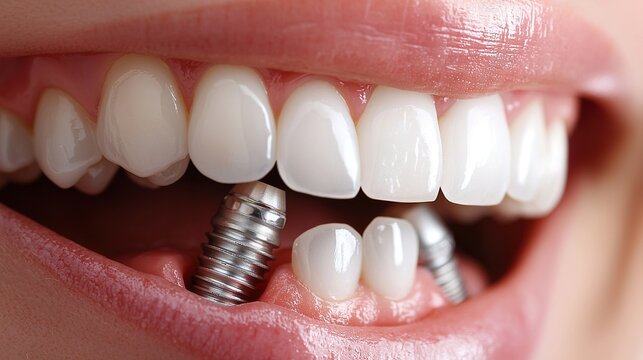
Nanotechnology involves engineering materials at an atomic or molecular scale, which can significantly enhance the performance and functionality of dental implants. The application of nanotechnology in dental implants focuses on improving material properties and fostering better integration with the existing bone. This innovation not only extends the lifespan of implants but also contributes to overall oral health and patient satisfaction.

Surface Modifications

One key area where nanotechnology has made strides is in surface modifications of dental implants. By creating nanoscale structures on the implant surface, it is possible to enhance osseointegration, or the process through which the implant fuses with the jawbone. This advancement leads to stronger and more stable implant retention. For more detailed insights on the impact of surface modifications, explore the latest research findings.

Antimicrobial Properties

Another significant benefit of nanotechnology in dental implants is the reduction of bacterial infections. Nanoscale coatings with antimicrobial properties are being developed to prevent infections and complications that can arise after implant surgery. These coatings can deter the growth of harmful bacteria, thereby promoting a healthier oral environment.

Advantages for Patients

Patients opting for nano-enhanced dental implants can experience a multitude of benefits:

  • Improved bone healing and faster recovery times
  • Reduced risk of infections
  • Enhanced durability and longevity of implants

The comprehensive advantages offered by nanotechnology underscore its potential to shape the future of dental care, particularly in advanced practices like dental implant integration techniques.

Challenges and Future Prospects

While the integration of nanotechnology into dental implants is promising, it is not without its challenges. The need for extensive research and development, regulatory approvals, and cost considerations are among the hurdles that need to be addressed. However, the pace of innovation suggests that these challenges will be overcome, paving the way for broader adoption of this technology in practices worldwide, including advanced dental research studies.

Conclusion

The marriage of nanotechnology and dental implants represents a significant leap forward in oral healthcare. With the potential to improve patient outcomes and redefine implantology, this innovation is set to become a cornerstone in modern dentistry. As cities like Sydney embrace these advancements, the future looks bright for those seeking quality dental implants Sydney. By continuing to explore and refine this technology, dental professionals can offer patients a more resilient and healthier smile.

Any surgical or invasive procedure carries risks. Before proceeding you should seek a second opinion from an appropriately qualified health practitioner.