Joint mobility is an essential aspect of maintaining overall health and functionality, influencing everything from daily tasks to athletic performance. For many, achieving and maintaining optimal joint mobility can be a challenge due to factors such as aging, injuries, sedentary lifestyles, or conditions like arthritis. Personalized physiotherapy, however, offers a tailored approach to improving joint mobility, focusing on the specific needs of an individual. Through a comprehensive assessment and expert care, physiotherapists design customized treatment plans that address the root causes of mobility limitations and work towards restoring range of motion, reducing pain, and improving strength. The first step in enhancing joint mobility through physiotherapy is a thorough evaluation by a qualified physiotherapist. This assessment typically includes a review of the patient’s medical history, lifestyle habits, and any previous injuries or conditions that could be affecting joint function. The physiotherapist will also evaluate the current state of joint movement and surrounding muscle strength, flexibility, and stability. This individualized approach ensures that the therapy is not only safe but also highly effective, targeting the unique areas that require attention. One of the key components of physiotherapy for improving joint mobility is a targeted exercise program.
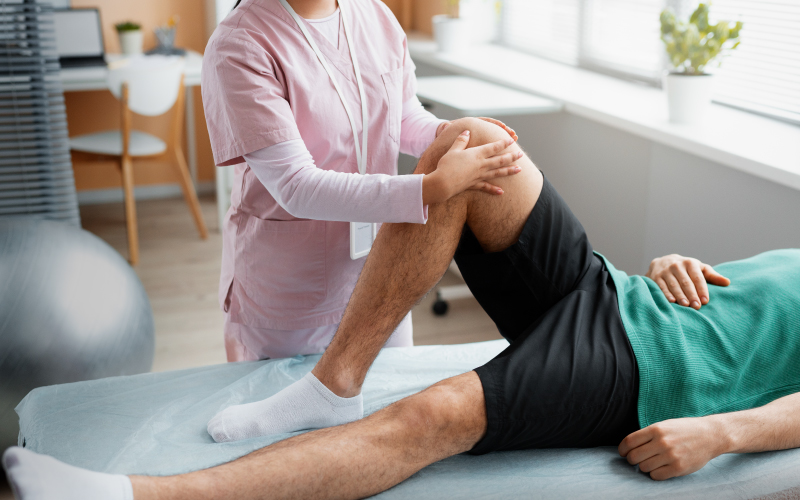
These exercises are designed to stretch, strengthen, and mobilize the joints, improving both their flexibility and functionality. Specific movements, such as gentle joint mobilizations or stretching techniques, can help reduce stiffness and increase the range of motion. Strengthening exercises are particularly important because they improve the stability and support around the joint, making it less prone to injury and more capable of handling regular stress. Over time, these exercises can lead to better posture, greater joint alignment, and more efficient movement patterns. Manual therapy is another effective technique employed by physiotherapists to enhance joint mobility. This hands-on approach involves the physiotherapist using their hands to apply controlled force to the joints and soft tissues. Manual techniques, including joint mobilizations and manipulations, can help to reduce pain, improve circulation, and restore movement. By targeting specific joints and tissues, manual therapy addresses stiffness and discomfort, providing relief while promoting long-term mobility gains. In addition to exercises and manual therapy, physiotherapy may also include education and advice on lifestyle modifications.
Patients may be guided on posture correction, body mechanics, and the importance of regular movement throughout the day. For instance, those who work in sedentary positions might be taught proper sitting techniques and encouraged to take breaks to move, reducing strain on their joints. Proper footwear and ergonomics also play a crucial role in joint health, and physiotherapists often provide recommendations on these aspects to prevent further damage. Personalized physiotherapy is not just about addressing existing issues; it also focuses on injury prevention. By strengthening the muscles surrounding the joints and improving overall movement patterns, physiotherapists help individuals reduce the likelihood of future injuries. Whether for someone recovering from an injury or an athlete looking to enhance performance, physiotherapy offers proactive strategies for joint care that extend beyond rehabilitation. With an individualized approach that takes into account specific needs and goals, physiotherapy provides a pathway to improved mobility, reduced pain, and enhanced quality of life. Whether for rehabilitation, injury prevention, or simply maintaining functional independence, physiotherapy is a powerful tool for anyone seeking to improve joint health and overall well-being.